Maximizing Your 2026 VA Disability Benefits: A Step-by-Step Guide to Filing Claims for a Potential 10% Increase
Advertisements

Navigating the complex maze of VA claims shouldn’t feel like fighting another uphill battle. Learning how to Maximize 2026 VA Disability Benefits is critical to securing your full entitlement and adjusting your monthly compensation upward to match inflation.
With the latest 2.8% Cost-of-Living Adjustment (COLA) officially in effect, veterans across the country are re-evaluating their service-connected conditions.
By identifying secondary medical links or filing for a combined rating restructuring, many individuals can successfully elevate their overall evaluation bracket by 10% or more.
Filing early under the current diagnostic codes allows you to lock in higher payouts before any pending criteria adjustments take effect. Here is your step-by-step navigation guide to gathering winning service records and submitting an optimized request for increased monthly compensation.
Understanding the 2026 VA Disability Benefits Landscape
The Department of Veterans Affairs (VA) continuously updates its policies and compensation rates, making it crucial for veterans to stay informed. Anticipating changes for 2026 allows proactive planning, ensuring that claims are filed strategically and effectively.
Veterans often face complex processes when navigating disability claims, and understanding the nuances can significantly impact outcomes. This guide aims to demystify these procedures, offering clear steps to enhance your claim’s success.
A potential 10% increase in benefits can have a substantial financial impact, providing much-needed stability and support for veterans and their families. Our focus here is on practical solutions to achieve this.
Key Factors Influencing 2026 VA Disability Benefits
Several critical factors will influence the determination and potential increase of 2026 VA Disability Benefits. These include legislative changes, cost-of-living adjustments (COLA), and evolving medical criteria for service-connected conditions.
Staying abreast of these developments is not merely advisable but essential for any veteran looking to optimize their benefits. Official announcements from the VA and legislative bodies provide the most accurate information to guide your actions.
Understanding the interplay of these factors can help veterans prepare robust claims that address current requirements and potential future adjustments in 2026 VA Disability Benefits.
Legislative Updates and COLA Projections
Congress periodically reviews and amends laws pertaining to veterans’ benefits, which can directly affect eligibility and compensation rates. These legislative actions are often influenced by advocacy groups and current economic conditions.
The annual Cost-of-Living Adjustment (COLA) is a significant component that typically leads to increases in benefits. While the exact 2026 COLA is yet to be determined, historical trends suggest a consistent upward adjustment, impacting 2026 VA Disability Benefits.
- Monitor VA.gov for official announcements on legislative changes.
- Review Social Security Administration (SSA) COLA projections for insights.
- Consult with accredited Veterans Service Organizations (VSOs) for expert analysis.
Evolving Medical Criteria and Evidence Requirements
The VA regularly updates its Schedule for Rating Disabilities, which outlines the criteria for evaluating service-connected conditions. These updates can change how certain disabilities are rated, potentially affecting your overall compensation.
Providing comprehensive and up-to-date medical evidence is paramount for a successful claim. This includes detailed medical records, diagnostic test results, and statements from treating physicians that clearly link your condition to service.
- Ensure all medical records are current and thoroughly document your condition.
- Seek nexus letters from medical professionals establishing service connection.
- Understand the specific diagnostic codes and rating criteria for your conditions to maximize your 2026 VA Disability Benefits.
Step-by-Step Guide to Filing an Effective Claim
Filing a VA disability claim can be a daunting process, but a structured approach can greatly enhance its effectiveness. This section provides a detailed, step-by-step guide to help veterans navigate the complexities of securing their 2026 VA Disability Benefits.
The key to a successful claim lies in meticulous preparation, thorough documentation, and understanding the VA’s specific requirements. Rushing through the process or overlooking crucial details can lead to delays or denial of benefits.
By following these practical steps, veterans can build a strong case, increasing their chances of achieving a favorable outcome and maximizing their 2026 VA Disability Benefits.
Gathering Essential Documentation
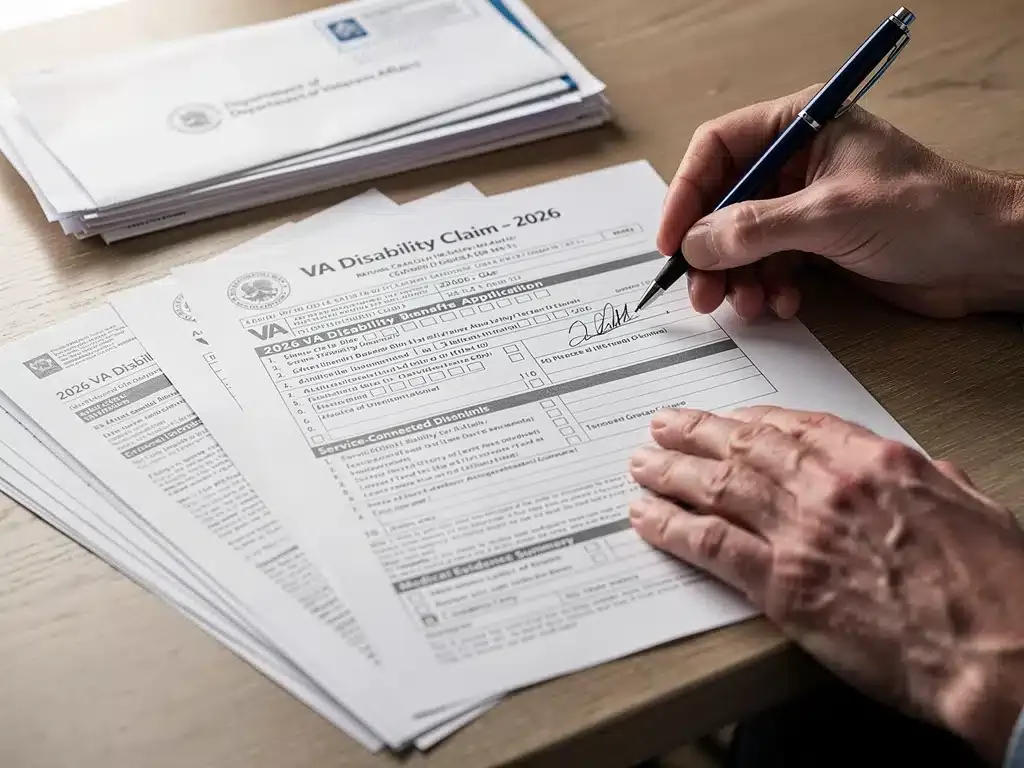
The foundation of any successful VA disability claim is a complete and accurate collection of supporting documents. This includes service records, medical records from both military and civilian providers, and personal statements.
Your DD214, or Statement of Service, is critical for establishing your military service and discharge status. Ensure it accurately reflects your periods of service and any relevant information about your military occupational specialty (MOS).
- Collect all military medical records, including sick call slips and hospitalizations.
- Obtain civilian medical records for any treatment related to your service-connected condition.
- Gather personal statements from yourself and buddy statements from fellow service members or family members.
Submitting Your Intent to File
Submitting an Intent to File form (VA Form 21-0966) is a crucial preliminary step. This form establishes an effective date for your claim, preserving your potential benefits from that date, even if you submit your full claim later.
The Intent to File gives you up to one year to gather all necessary evidence and complete your application. This period is invaluable for building a comprehensive and compelling case for your 2026 VA Disability Benefits.
- File your Intent to File as soon as you consider applying for benefits.
- Utilize the full year to collect all supporting documentation.
- This step safeguards your potential effective date for retroactive payments.
Leveraging Professional Assistance for Your Claim
Navigating the VA claims process can be complex, and seeking professional assistance can be a game-changer for many veterans. Accredited Veterans Service Organizations (VSOs) and legal professionals specialize in helping veterans secure their benefits.
These experts understand the intricate regulations and requirements of the VA, offering invaluable guidance in preparing and submitting claims. Their knowledge can significantly improve your chances of a successful outcome.
Engaging with a VSO or an attorney can alleviate much of the stress associated with the claims process, allowing you to focus on your health while they handle the complexities of Maximizing Your 2026 VA Disability Benefits.
Working with Veterans Service Organizations (VSOs)
VSOs are non-profit organizations that provide free assistance to veterans and their families. Their representatives are accredited by the VA and are highly knowledgeable about the claims process, often having personal experience with military service.
A VSO can help you identify all potential service-connected conditions, gather necessary evidence, complete forms, and represent you throughout the appeals process. They are a vital resource for Maximizing Your 2026 VA Disability Benefits.
- Find an accredited VSO through the VA website or your local veteran center.
- They offer free services and personalized guidance.
- VSOs can provide representation during appeals if your initial claim is denied.
Considering Legal Representation
For particularly complex cases, or if your claim has been denied, consulting with an attorney specializing in veterans’ law can be beneficial. Attorneys can offer legal expertise and strategic advice that VSOs, while excellent, may not provide.
Legal representation can be especially useful for claims involving intricate medical evidence, multiple conditions, or higher-level appeals. They can challenge VA decisions effectively and advocate for your rights.
- Seek legal counsel for denied claims or complex medical issues.
- Attorneys can provide in-depth legal analysis and representation.
- Understand their fee structure, as they typically work on a contingency basis.
Strategies for a Potential 10% Increase in Benefits
Achieving a potential 10% increase in your 2026 VA Disability Benefits requires a strategic approach focused on demonstrating the true extent of your service-connected conditions. This involves reevaluating existing ratings and submitting new evidence.
Veterans often find that their conditions worsen over time, or that secondary conditions develop, which were not initially considered. These changes can warrant a reevaluation and potentially a higher disability rating.
Proactive engagement with the VA, supported by strong medical documentation, is key to successfully pursuing an increase and Maximizing Your 2026 VA Disability Benefits.
Filing for an Increased Rating
If your service-connected condition has worsened, you can file a claim for an increased rating. This requires new medical evidence demonstrating the progression of your disability and its greater impact on your daily life and ability to work.
Providing detailed doctor’s reports, imaging results, and personal statements outlining the functional limitations caused by your worsening condition is crucial. The VA will review this new evidence to determine if a higher rating is warranted.
- Submit a new claim for an increased rating with updated medical evidence.
- Clearly articulate how your condition has deteriorated.
- Focus on the functional limitations caused by the worsening disability.
Identifying Secondary and Aggravated Conditions
Many veterans experience secondary conditions that are caused or aggravated by their primary service-connected disability. For example, chronic pain might lead to depression or anxiety, which can also be claimed for benefits.
Similarly, a service-connected condition might aggravate a pre-existing non-service-connected condition, making it worse than it otherwise would have been. These connections can justify additional compensation and help in Maximizing Your 2026 VA Disability Benefits.
- Consult with your doctor to identify any secondary conditions.
- Seek medical opinions that link these conditions to your primary service-connected disability.
- Document how aggravated conditions impact your overall health and daily functioning.
Understanding the Financial Impact of Increased Benefits
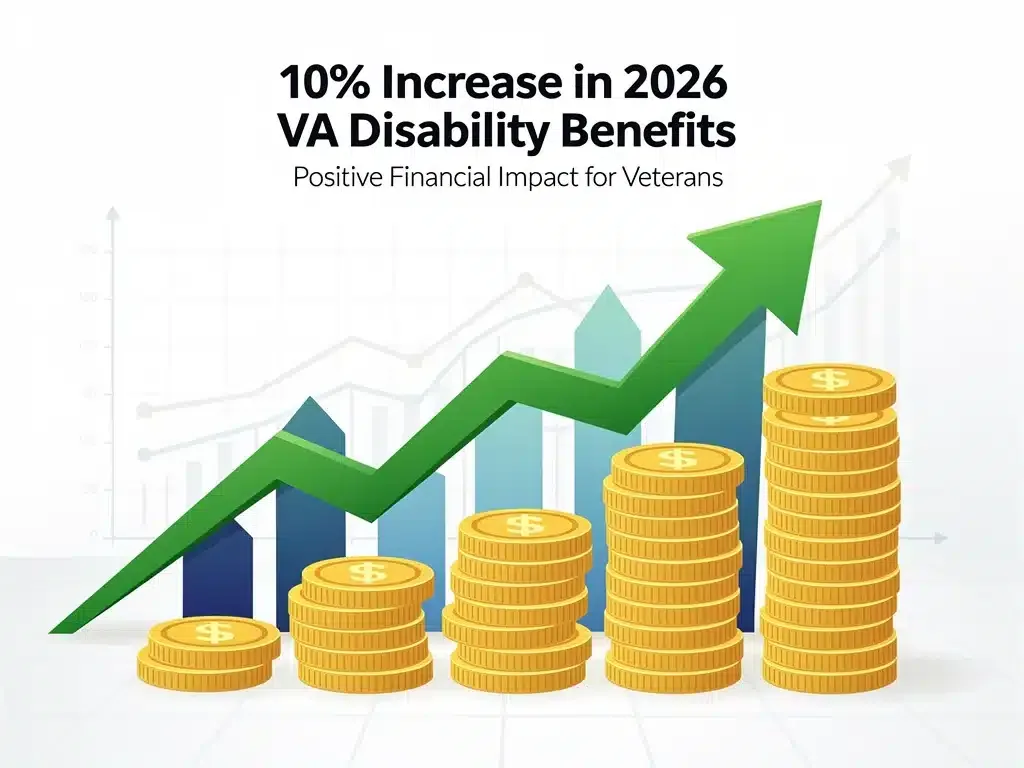
A successful claim resulting in a 10% increase in your 2026 VA Disability Benefits can significantly improve your financial stability. This additional income can cover rising living costs, medical expenses, and provide greater financial security for your future.
Beyond the direct monetary increase, enhanced benefits can open doors to other VA programs and services, such as healthcare, education, and housing assistance. These auxiliary benefits further amplify the overall financial impact.
Planning how to utilize these increased funds effectively is as important as securing them. This proactive financial management ensures the long-term benefits of Maximizing Your 2026 VA Disability Benefits.
Appealing a Denied Claim or Low Rating
Receiving a denial or a lower-than-expected rating for your 2026 VA Disability Benefits can be disheartening, but it is not the end of the road. The VA provides a robust appeals process designed to allow veterans to challenge unfavorable decisions.
Understanding the different appeal options and their respective timelines is critical for a successful appeal. Each pathway requires specific documentation and strategic presentation of your case to overturn the initial decision.
Persistence and a well-supported appeal can lead to a favorable outcome, ensuring you receive the full benefits you are entitled to and effectively Maximizing Your 2026 VA Disability Benefits.
Navigating the Appeals Modernization Act (AMA)
The Appeals Modernization Act (AMA) introduced three pathways for appealing VA decisions: the Supplemental Claim Lane, the Higher-Level Review Lane, and the Board Appeal Lane. Each lane offers distinct advantages depending on your case.
The Supplemental Claim Lane allows you to submit new and relevant evidence to support your claim. The Higher-Level Review Lane offers a review by a senior rater without new evidence, focusing on errors in the initial decision. The Board Appeal Lane provides an appeal directly to the Board of Veterans’ Appeals.
- Choose the appeal lane that best suits your situation and the nature of the denial.
- Ensure all new evidence is indeed ‘new and relevant’ for supplemental claims.
- Consider legal counsel for complex appeals before the Board of Veterans’ Appeals to secure your 2026 VA Disability Benefits.
Gathering New and Relevant Evidence for Appeals
For appeals, especially through the Supplemental Claim Lane, providing new and relevant evidence is paramount. This can include updated medical reports, additional nexus letters, or statements from new witnesses who can corroborate your claim.
The VA defines ‘new’ evidence as information not previously submitted, and ‘relevant’ evidence as information that tends to prove or disprove a point in your claim. Both criteria must be met for the evidence to be considered.
- Obtain a new medical diagnosis or an updated prognosis.
- Secure a new nexus opinion from a different medical expert.
- Collect additional lay statements that provide new insights into your condition.
Proactive Steps for 2026 VA Disability Benefits
Being proactive is key to successfully Maximizing Your 2026 VA Disability Benefits. This involves regular health monitoring, maintaining detailed records, and staying informed about VA policy changes and potential legislative actions.
Do not wait for a crisis to review your benefits or consider filing an appeal. Regular check-ins with your medical providers and periodic reviews of your VA rating can help you identify opportunities for increased compensation.
By adopting a proactive stance, veterans can ensure they are always prepared to adapt to new requirements and capitalize on opportunities to enhance their 2026 VA Disability Benefits.
| Key Action | Benefit Description |
|---|---|
| File Intent to File | Secures an effective date for your claim, maximizing retroactive payments. |
| Gather Medical Evidence | Crucial for substantiating service-connected conditions and severity. |
| Consult VSOs/Attorneys | Expert guidance improves claim accuracy and appeal success rates. |
| Appeal Unfavorable Decisions | Challenges denials or low ratings, potentially leading to increased benefits. |
Frequently Asked Questions About 2026 VA Disability Benefits
What is the most critical step for Maximizing Your 2026 VA Disability Benefits?▼The most critical step is filing an Intent to File as early as possible. This action safeguards your potential effective date for benefits, allowing you up to a year to gather comprehensive evidence without losing potential retroactive payments for your 2026 VA Disability Benefits.
How can I achieve a 10% increase in my VA disability rating?▼To achieve a 10% increase, you must demonstrate a worsening of your service-connected condition or identify new secondary conditions. Submitting updated medical evidence, including detailed doctor’s reports and nexus letters, is essential for a successful claim to boost your 2026 VA Disability Benefits.
Are there specific deadlines for filing claims for 2026 VA Disability Benefits?▼While there isn’t a single deadline for all claims, filing an Intent to File locks in a potential effective date for up to one year. It’s crucial to complete your full claim within that year to avoid losing out on potential back pay for your 2026 VA Disability Benefits.
What role do Veterans Service Organizations (VSOs) play in the claims process?▼VSOs are invaluable resources providing free, accredited assistance to veterans. They help gather evidence, complete forms, and represent veterans during appeals, significantly improving the chances of successfully Maximizing Your 2026 VA Disability Benefits. They are experts in VA regulations.
What should I do if my VA disability claim is denied or rated too low?▼If your claim is denied or rated low, you have the right to appeal through the Appeals Modernization Act (AMA). You can submit a Supplemental Claim with new evidence, request a Higher-Level Review, or appeal directly to the Board. Professional help is advised for appeals concerning 2026 VA Disability Benefits.
Looking Ahead: Sustaining Your VA Benefits
The continuous evolution of VA regulations and benefit structures means that staying informed is not a one-time task but an ongoing commitment. Veterans must adopt a proactive approach to monitoring their health and their benefits to ensure long-term financial security.
Regular engagement with medical professionals and accredited VSOs will remain critical for addressing any changes in your condition or understanding new opportunities for Maximizing Your 2026 VA Disability Benefits. The landscape is dynamic, and vigilance pays off.
Ultimately, the goal is to secure and sustain the comprehensive support you deserve. By following these guidelines and staying informed, you can confidently navigate the VA system and optimize your 2026 VA Disability Benefits for years to come.