Veterans’ Benefits in 2026: New Healthcare & 5% Disability Boosts
Advertisements
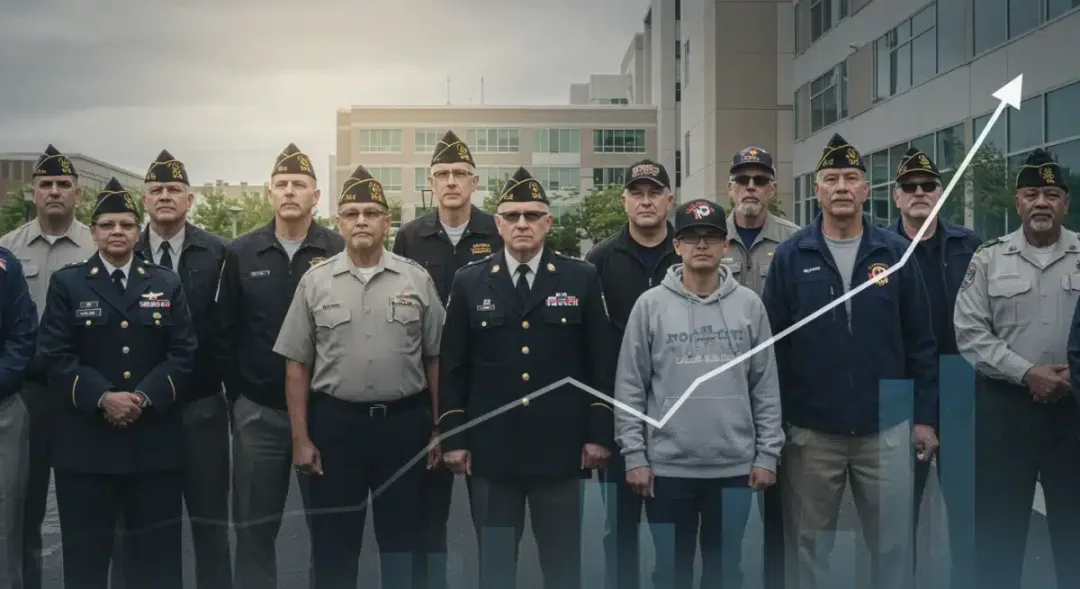
Major upgrades to Veterans’ Benefits in 2026 are officially here, delivering the most significant boost to service-connected support in years.
Between the confirmed cost-of-living adjustments and expanded medical coverage, navigating these updates is essential for every former service member.
A fresh 2.8% COLA increase is already hitting bank accounts, but the real headline is the potential for disability rating enhancements. New evaluation criteria for mental health and respiratory conditions could mean a substantial lift in monthly compensation for eligible heroes.
Beyond the checks, the VA is overhauling military medical services with a focus on private community care and in-home support. These shifts ensure that quality care reaches you faster, whether through a local clinic or specialized assistance right in your own living room.
Understanding the New Landscape of Veterans’ Benefits in 2026
The year 2026 is poised to bring significant adjustments and expansions to the array of services and financial support available to veterans.
These changes are not merely incremental; they reflect a comprehensive effort to address long-standing needs and emerging challenges faced by the veteran community.
Key initiatives focus on enhancing access to quality healthcare, streamlining the disability claims process, and ensuring that financial compensation accurately reflects the impact of service-related conditions.
Veterans and their families should prepare to understand these updates thoroughly.
These developments underscore a commitment to improving the overall well-being and financial security of veterans. The focus remains on delivering tangible benefits that make a real difference in their daily lives and future planning.
Anticipated Healthcare Program Enhancements for Veterans
In 2026, the VA is expected to roll out several new healthcare programs designed to offer more comprehensive and specialized care. These programs aim to bridge gaps in existing services, particularly in mental health, chronic disease management, and rural healthcare access.
The proposed enhancements include expanded telehealth services, greater integration of community care options, and a renewed emphasis on preventative health measures.
These efforts are part of a broader strategy to ensure veterans receive timely and effective medical support, regardless of their location.
Furthermore, there is a strong push to incorporate cutting-edge medical technologies and research findings into veteran healthcare, providing access to advanced treatments and therapies.
This forward-looking approach ensures that the care provided remains at the forefront of medical innovation.
Expanding Mental Health Services and Support
A critical area of focus for the new healthcare programs in 2026 is the expansion of mental health services. The VA recognizes the profound impact of mental health conditions on veterans and is committed to providing more accessible and diverse treatment options.
This expansion will include increased funding for mental health professionals, the introduction of new therapeutic modalities, and enhanced peer support programs. The goal is to reduce wait times and remove barriers to care, encouraging more veterans to seek help.
- Increased access to specialized trauma therapy.
- Broader availability of tele-mental health consultations.
- Enhanced support for substance use disorder treatment.
Innovations in Chronic Disease Management
Managing chronic conditions is another cornerstone of the upcoming healthcare improvements. The VA plans to implement innovative approaches to help veterans better manage long-term illnesses, improving their quality of life and reducing complications.
These innovations will involve personalized care plans, advanced monitoring technologies, and educational resources to empower veterans in their health management. The emphasis is on proactive care and preventing the progression of chronic diseases.
- Personalized care plans for diabetes, heart disease, and other conditions.
- Wearable technology for remote health monitoring.
- Educational workshops on nutrition and lifestyle modifications.
Potential 5% Disability Rating Increases and Their Impact
One of the most significant anticipated changes in Veterans’ Benefits in 2026 is the potential for a 5% increase in disability ratings for certain conditions. This adjustment could have a substantial financial impact on many veterans, providing much-needed additional support.
Disability ratings are crucial as they determine the level of compensation and access to various VA benefits. A 5% increase, while seemingly small, can translate into a considerable difference in monthly payments and overall financial security for eligible veterans.
The discussions around this increase stem from ongoing reviews of medical criteria and the cost of living adjustments, aiming to ensure that disability compensation remains fair and adequate.
Veterans should monitor official announcements closely for definitive criteria and implementation details.
Navigating the Disability Claims Process in 2026
With potential changes to disability ratings, understanding the claims process becomes even more vital for veterans. The VA is continuously working to simplify and expedite this process, although it can still be complex for many.
Veterans are encouraged to gather all relevant medical documentation, service records, and any other evidence supporting their claim. Engaging with veteran service organizations (VSOs) can also provide invaluable assistance and guidance throughout the application.
The VA aims to enhance transparency and provide clearer instructions for submitting and appealing claims. Staying informed about these procedural updates will be key to a successful outcome for those seeking or adjusting their disability ratings.
Key Steps for a Successful Disability Claim
A successful disability claim hinges on meticulous preparation and adherence to VA guidelines. Understanding each step can significantly improve a veteran’s chances of receiving appropriate benefits.
It is essential to identify all service-connected conditions, even those that may seem minor, as they can contribute to the overall disability rating. Comprehensive medical evaluations and accurate documentation are paramount.
- Gather all military medical records and private medical records.
- Obtain a current diagnosis for each condition.
- Provide a nexus statement linking conditions to military service.

Appealing a Disability Rating Decision
Should a veteran disagree with a VA disability rating decision, the appeals process provides avenues for reconsideration. Understanding the different appeal options and deadlines is critical to pursuing a favorable outcome.
The VA offers several appeal lanes, including supplemental claims, higher-level reviews, and Board of Veterans’ Appeals hearings. Each path has specific requirements and timelines that must be met.
- File a Notice of Disagreement within one year of the VA decision.
- Utilize VSOs for assistance in preparing appeal arguments.
- Consider new and relevant evidence for supplemental claims.
Financial Implications of Enhanced Veterans’ Benefits in 2026
The comprehensive enhancements to Veterans’ Benefits in 2026, particularly the potential disability rating increases, carry significant financial implications for veterans and their families.
These changes can improve economic stability and provide greater financial flexibility.
Increased disability compensation can alleviate financial burdens, allowing veterans to better manage daily expenses, healthcare costs not covered by the VA, and long-term financial planning.
This financial uplift is crucial for many who rely on these benefits as a primary source of income.
Moreover, the improved financial outlook can open doors to other opportunities, such as pursuing education, vocational training, or homeownership, contributing to overall economic empowerment within the veteran community.
Understanding these financial shifts is vital for effective personal finance management.
Resources and Support for Veterans in 2026
As Veterans’ Benefits in 2026 evolve, access to reliable resources and support networks becomes increasingly important. Various organizations, both governmental and non-governmental, are dedicated to assisting veterans in navigating these changes.
The VA itself offers extensive resources through its website, local offices, and dedicated helplines. Additionally, numerous veteran service organizations (VSOs) provide free assistance with claims, appeals, and understanding benefit eligibility.
These support systems are indispensable for ensuring that veterans can access all the benefits they are entitled to. Proactive engagement with these resources can make a substantial difference in successfully leveraging the new programs.

Advocacy and Future Outlook for Veterans’ Benefits
The continuous evolution of Veterans’ Benefits in 2026 is largely driven by ongoing advocacy efforts from veteran groups, legislators, and concerned citizens. These efforts ensure that the needs of veterans remain at the forefront of national policy discussions.
Advocacy plays a crucial role in shaping legislation, securing funding, and pushing for reforms that improve the lives of those who have served. The collective voice of the veteran community and its supporters is powerful in driving positive change.
Looking ahead, the long-term outlook for veterans’ benefits suggests a continued commitment to improvement and adaptation to emerging needs.
Future policy discussions will likely focus on areas such as long-term care, support for caregivers, and addressing the unique challenges faced by specific veteran demographics.
| Key Point | Brief Description |
|---|---|
| Healthcare Expansion | New programs in mental health, chronic care, and telehealth for veterans. |
| Disability Rating Increase | Potential 5% increase for certain conditions, impacting financial compensation. |
| Claims Process | VA streamlining efforts and importance of VSO assistance. |
| Financial Impact | Enhanced benefits offer greater financial stability and opportunities. |
Frequently Asked Questions About Veterans’ Benefits in 2026
What are the main changes expected for Veterans’ Benefits in 2026?▼The primary changes for Veterans’ Benefits in 2026 include new healthcare programs, particularly in mental health and chronic disease management, and a potential 5% increase in disability ratings for specific service-connected conditions. These updates aim to provide more comprehensive support and financial stability for veterans.
How will new healthcare programs impact veterans?▼New healthcare programs are designed to expand access to specialized care, including enhanced telehealth services and integrated community care options. This aims to reduce wait times, improve the quality of care, and incorporate advanced medical technologies, ensuring veterans receive timely and effective treatment.
Who is eligible for the potential 5% disability rating increase?▼Eligibility for the potential 5% disability rating increase will depend on specific service-connected conditions and revised medical criteria. Veterans currently receiving disability compensation should monitor official VA announcements for detailed guidelines and criteria to determine if their conditions qualify for the adjustment.
What steps should veterans take to prepare for these changes?▼Veterans should stay informed by regularly checking VA official communications and engaging with Veteran Service Organizations (VSOs). It is also advisable to review personal medical records and service documents, preparing any necessary information for potential claims or adjustments to existing benefits.
Where can veterans find reliable information and support?▼Reliable information and support can be found through the Department of Veterans Affairs (VA) website, local VA offices, and accredited Veteran Service Organizations (VSOs). These resources offer guidance on claims, appeals, and understanding the full scope of Veterans’ Benefits in 2026.
Looking Ahead
The anticipated enhancements to Veterans’ Benefits in 2026 signify a crucial step forward in supporting those who have served. These changes, encompassing both healthcare and financial compensation, underscore a continued national commitment.
It is imperative for veterans and their families to remain proactive in seeking information and utilizing available resources to fully leverage these upcoming benefits.
Staying informed through official VA channels and trusted veteran organizations will be key to navigating the new landscape effectively.