New 2026 Federal Student Loan Forgiveness Programs: Eligibility & Impact
Advertisements

Navigating the shifting rules of Federal Student Loan Forgiveness is the single most important financial move for borrowers this year.
Following the passage of the One Big Beautiful Bill Act, qualifying for debt cancellation or repayment adjustments requires a complete change in strategy.
This systemic overhaul phases out several older income-driven frameworks to introduce the new Repayment Assistance Program. Under these finalized federal guidelines, your path to a full principal discharge will depend heavily on your specific timeline and plan consolidation.
This straightforward manual cuts through the complex legislative text to outline your exact path toward securing significant balance relief. Here is what you need to know to take advantage of the updated rules and protect your financial future.
Understanding the Scope of Federal Student Loan Forgiveness 2026
The Biden administration continues to refine its approach to student loan debt, with new programs and revisions frequently emerging.
The anticipated Federal Student Loan Forgiveness 2026 initiatives aim to provide specific relief, potentially up to $20,000, for eligible borrowers.
These programs are not merely a continuation of past efforts but represent an adaptation to current economic realities and borrower needs. Official statements indicate a focus on making loan repayment more manageable and accessible for a broader segment of the population.
The policy landscape is dynamic, and staying informed about the specifics of these programs is essential. Borrowers need to understand the nuances of eligibility and application processes to leverage these opportunities effectively.
Recent Updates and Policy Shifts
On [Date of Latest Official Announcement], the Department of Education released further guidance on the forthcoming Federal Student Loan Forgiveness 2026 programs.
These updates clarify several key areas, including income thresholds and specific loan types eligible for relief.
The changes reflect a commitment to streamlining the application process and ensuring that relief reaches those who need it most. This includes provisions for borrowers who have been in repayment for extended periods or who meet certain financial hardship criteria.
- Initial announcements highlighted a focus on low- and middle-income borrowers.
- Subsequent clarifications detailed specific repayment histories that trigger automatic relief.
- New provisions address borrowers who attended institutions that engaged in misconduct.
These policy shifts are designed to build upon existing frameworks while introducing new mechanisms for debt reduction. The goal is to create a more equitable and sustainable student loan system.
Key Differences from Previous Programs
The Federal Student Loan Forgiveness 2026 programs introduce distinct features compared to earlier initiatives. While previous programs often focused on specific professions or disability, these new efforts broaden the scope of relief.
For instance, the emphasis on income-driven repayment (IDR) plans as a pathway to forgiveness has been strengthened. This allows for a more direct link between a borrower’s financial capacity and their repayment obligations.
- Expanded criteria for automatic enrollment into income-driven repayment plans.
- A more aggressive timeline for loan discharge under certain IDR plans.
- Specific relief targets for borrowers with undergraduate loans, separate from graduate debt.
These distinctions are critical for borrowers to understand, as they may significantly alter their eligibility and the potential amount of forgiveness they could receive.
Eligibility Criteria for Up to $20,000 in Relief
Determining eligibility for the Federal Student Loan Forgiveness 2026 programs is a crucial step for borrowers seeking relief.
The Department of Education has outlined specific requirements that individuals must meet to qualify for up to $20,000 in loan forgiveness.
These criteria often revolve around a borrower’s income level, the type of federal loans they hold, and their repayment history. It is imperative for applicants to meticulously review these guidelines to ascertain their potential for relief.
The government’s objective is to target relief effectively, ensuring that assistance reaches those most burdened by student debt. This targeted approach aims to maximize the impact of the programs on individual financial well-being and broader economic stability.
Income and Household Size Requirements
One of the primary factors for eligibility under the Federal Student Loan Forgiveness 2026 initiatives is a borrower’s adjusted gross income (AGI) and household size.
The programs typically set income caps to ensure relief is directed towards low- and middle-income individuals and families.
For instance, single borrowers may need to have an AGI below a certain threshold, while married borrowers filing jointly or heads of household will have a higher, but still defined, income limit. These thresholds are subject to annual review and adjustment based on economic indicators.
Borrowers should consult the official Department of Education website or their loan servicer for the most up-to-date income guidelines. Providing accurate financial information is paramount during the application process.
Eligible Loan Types and Repayment History
Not all federal student loans are automatically eligible for the relief initiatives under Federal Student Loan Forgiveness 2026. Generally, most Direct Loans and some FFEL Program loans held by the Department of Education qualify.
However, commercially held FFEL Program loans and Perkins Loans might require consolidation into a Direct Consolidation Loan to become eligible.
The specifics of a borrower’s repayment history, including periods of deferment or forbearance, can also play a role in their eligibility.
It is critical for borrowers to identify their loan types and understand the implications for forgiveness. Consulting with a financial advisor or loan servicer can help clarify individual loan statuses and the best path forward.
The Application Process for 2026 Forgiveness Programs
Navigating the application process for the Federal Student Loan Forgiveness 2026 programs requires careful attention to detail and adherence to official guidelines. While some relief may be automatic for certain borrowers, many will need to submit an application.
The Department of Education aims to make the process as straightforward as possible, but borrowers should be prepared to provide necessary documentation. Understanding each step can prevent delays and ensure a successful application.
It is advisable to start gathering required documents early and to stay informed about application opening and closing dates. Proactive engagement with the process is key to securing potential relief.
Steps to Apply for Relief
The application for Federal Student Loan Forgiveness 2026 will likely be available through the Federal Student Aid website. Borrowers will typically need to log in with their FSA ID, which serves as their official identifier for federal student aid services.
The application form will request personal information, details about their federal student loans, and potentially income verification. It is crucial to complete all sections accurately to avoid any discrepancies that could delay processing.
- Create or retrieve your FSA ID to access the application portal.
- Gather tax documents and income information for the relevant eligibility year.
- Review all federal student loan details, including loan types and outstanding balances.
After submission, borrowers should receive a confirmation and can track the status of their application through their Federal Student Aid account.
Required Documentation and Deadlines
To support their application for Federal Student Loan Forgiveness 2026, borrowers will need to provide specific documentation. This often includes recent tax returns, proof of income, and possibly records of their repayment history.
While some information may be automatically retrieved by the Department of Education, having these documents readily available can expedite the process. Staying aware of the application deadlines is equally important, as late submissions may not be considered.
- Official tax transcripts or W-2 forms for income verification.
- Statements from loan servicers detailing loan types and balances.
- Any documentation supporting periods of economic hardship or qualifying employment.
These deadlines are typically firm, and missing them could mean forfeiting the opportunity for relief. Borrowers should mark these dates on their calendars and plan accordingly.
Financial Impact for Borrowers and the Economy
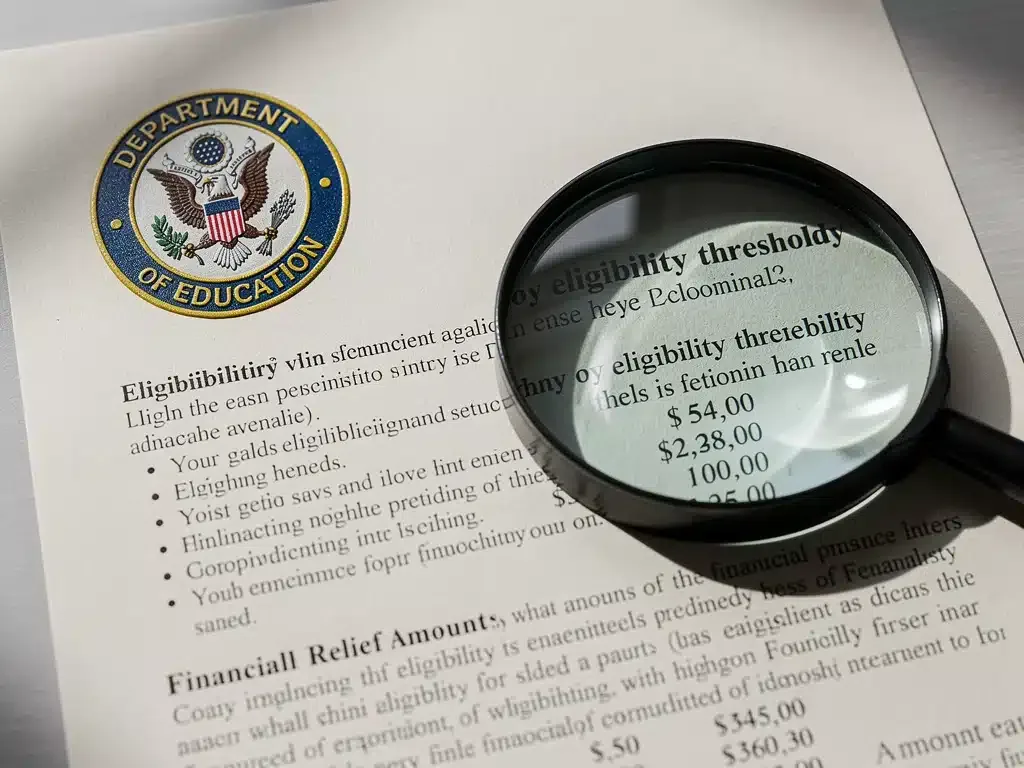
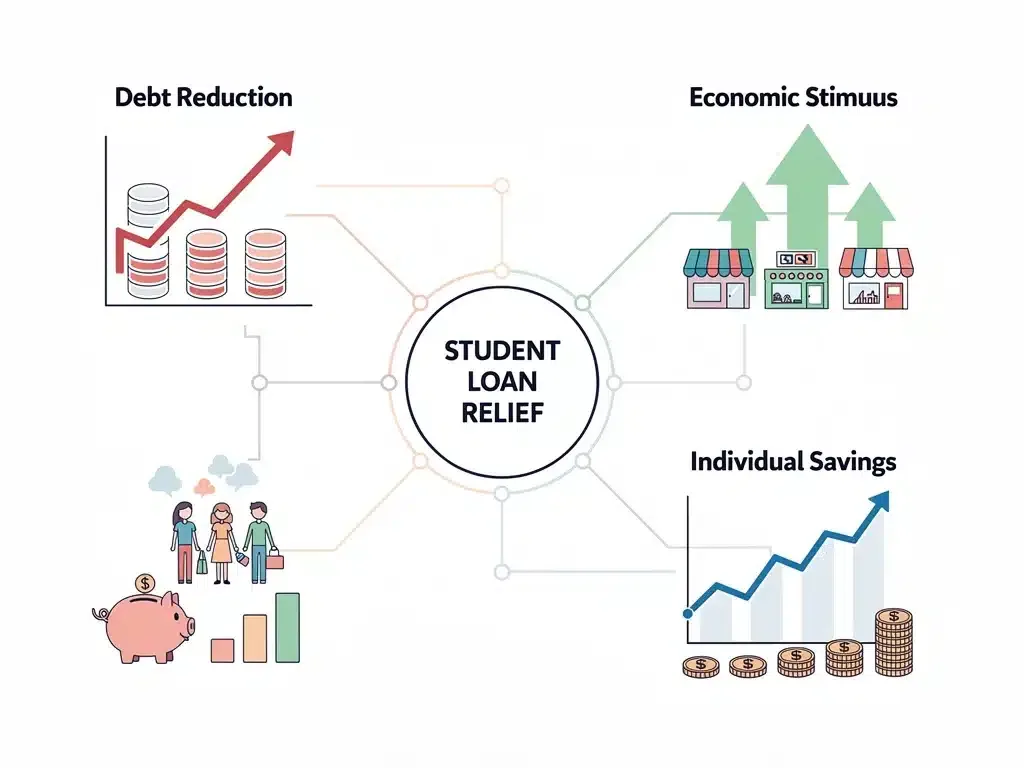
The implementation of Federal Student Loan Forgiveness 2026 programs is poised to have a significant financial impact, not only on individual borrowers but also on the broader economy. Forgiveness of up to $20,000 can alleviate substantial financial stress for millions.
This relief can free up household income, allowing borrowers to redirect funds towards other essential expenses, savings, or investments. Such a shift in consumer spending can generate ripple effects throughout various sectors of the economy.
Policymakers anticipate that reducing student loan burdens will stimulate economic growth and enhance financial stability for a significant portion of the population. The long-term implications are being closely monitored by economists and financial analysts.
Individual Financial Benefits
For individuals, the direct benefit of the Federal Student Loan Forgiveness 2026 programs is a reduction in their outstanding debt. This can lead to lower monthly payments, or even the complete elimination of their loan balance, depending on the amount forgiven.
With less debt, borrowers may find it easier to achieve other financial goals, such as purchasing a home, starting a family, or saving for retirement. The psychological relief from debt reduction can also improve overall well-being.
- Increased disposable income for essential spending or savings.
- Improved credit scores due to reduced debt-to-income ratios.
- Greater flexibility to pursue career changes or further education without overwhelming debt.
These individual benefits contribute to a stronger financial foundation, fostering greater economic resilience among the affected populace.
Broader Economic Implications
Beyond individual relief, the Federal Student Loan Forgiveness 2026 initiatives are expected to have broader macroeconomic implications.
By injecting liquidity into the economy through increased consumer spending, these programs can boost demand for goods and services.
Economists predict that this stimulus could support job creation and contribute to GDP growth. The reduction in household debt may also lead to a decrease in loan defaults, strengthening the financial system.
- Potential for increased consumer spending and economic growth.
- Reduced rates of delinquency and default on student loans.
- Enhanced housing market activity as more individuals become eligible for mortgages.
However, some analysts also raise questions about potential inflationary pressures and the long-term fiscal costs associated with such large-scale forgiveness programs. The overall impact will be a subject of ongoing analysis.
Potential Challenges and Criticisms
Despite the intended benefits, the Federal Student Loan Forgiveness 2026 programs are not without their challenges and criticisms.
Implementing such a large-scale initiative involves complex administrative hurdles and raises questions about fairness and fiscal responsibility.
Critics often point to the potential for moral hazard, arguing that forgiveness might disincentivize future borrowers from responsible repayment. There are also concerns about the program’s cost and its impact on national debt.
Understanding these criticisms is essential for a balanced perspective on the programs. The government must address these concerns while striving to deliver effective and equitable relief.
Administrative Hurdles and Implementation Issues
The sheer scale of the Federal Student Loan Forgiveness 2026 programs presents significant administrative challenges. Ensuring that millions of borrowers receive accurate and timely relief requires robust systems and efficient processing.
Past forgiveness programs have sometimes faced delays and technical glitches, leading to frustration among applicants. The Department of Education is working to mitigate these issues by enhancing its technological infrastructure and staffing.
Accuracy in identifying eligible borrowers and applying the correct amount of forgiveness is paramount. Any errors could undermine public trust and create further complications for affected individuals.
Fairness and Fiscal Responsibility Debates
Debates surrounding the fairness of Federal Student Loan Forgiveness 2026 are ongoing.
Some argue that broad forgiveness unfairly benefits those who pursued higher education at the expense of taxpayers who did not attend college or who have already paid off their loans.
There are also concerns about the long-term fiscal implications of adding billions to the national debt. Critics contend that such programs could contribute to inflation and place an undue burden on future generations.
- Arguments about equity regarding who benefits from forgiveness.
- Concerns over the national debt and potential inflationary effects.
- Discussions on whether forgiveness addresses the root causes of rising tuition costs.
These discussions highlight the complex policy considerations involved in student loan relief, balancing immediate financial benefits with broader economic and societal impacts.
Resources for Borrowers and Future Outlook
For borrowers seeking to understand and potentially benefit from the Federal Student Loan Forgiveness 2026 programs, accessing reliable resources is critical.
The Department of Education and various non-profit organizations offer a wealth of information and support.
These resources can help individuals navigate eligibility requirements, the application process, and the broader implications of loan forgiveness. Staying informed through official channels is the best way to ensure accurate information.
The future outlook for student loan policy remains a key area of public interest. While relief programs offer immediate assistance, ongoing discussions about systemic reforms continue to evolve.
Official Government Resources
The primary source for accurate and up-to-date information on Federal Student Loan Forgiveness 2026 is the Federal Student Aid (FSA) website, operated by the U.S. Department of Education.
This portal provides detailed guidance on all federal student aid programs, including forgiveness initiatives.
Borrowers can find information on their loan types, payment history, and eligibility for various programs. The FSA website also hosts the official application forms and provides tools to help estimate potential relief amounts.
- Federal Student Aid (FSA) website for comprehensive program details.
- Direct contact information for loan servicers to discuss individual loan accounts.
- Access to official press releases and announcements from the Department of Education.
Regularly checking these official channels is essential for staying informed about any new developments or changes to the programs.
Future of Student Loan Debt Relief
The landscape of student loan debt relief is continuously evolving. While the Federal Student Loan Forgiveness 2026 programs address immediate needs, discussions around long-term solutions are ongoing.
These include proposals for tuition reform, increased Pell Grant funding, and more robust income-driven repayment options.
Policymakers are exploring ways to prevent future generations from accumulating excessive student debt. This involves a comprehensive approach that considers the cost of higher education, institutional accountability, and borrower protections.
The current programs represent a significant step, but they are part of a larger, ongoing effort to create a more equitable and sustainable system for financing higher education in the United States. Borrowers should remain engaged with these discussions as they unfold.
| Key Aspect | Description |
|---|---|
| Program Name | New 2026 Federal Student Loan Forgiveness Programs |
| Maximum Relief | Up to $20,000 for eligible borrowers |
| Key Eligibility | Income, loan type, and repayment history criteria |
| Application | Via Federal Student Aid website; some automatic |
Frequently Asked Questions About Federal Student Loan Forgiveness 2026
Who is eligible for the New 2026 Federal Student Loan Forgiveness Programs?▼Eligibility primarily hinges on a borrower’s income level, the specific type of federal student loans they hold, and their repayment history. Income caps are set, and most Direct Loans qualify, with some FFEL loans needing consolidation. Detailed criteria are available on the Federal Student Aid website.
How much relief can I expect from the 2026 programs?▼Eligible borrowers could receive up to $20,000 in federal student loan forgiveness. The exact amount depends on individual circumstances, including income, loan balance, and whether they received Pell Grants. This relief aims to significantly reduce the financial burden on qualified individuals.
What is the application process for the 2026 forgiveness programs?▼The application for Federal Student Loan Forgiveness 2026 will likely be accessible through the Federal Student Aid website. Borrowers will need their FSA ID, income documentation, and loan details. Some relief may be automatic for certain groups, but many will need to apply directly by specified deadlines.
What is the financial impact of these programs on the economy?▼The programs are expected to boost the economy by increasing disposable income for borrowers, potentially leading to higher consumer spending. This stimulus could support job creation and GDP growth. However, there are also ongoing debates about potential inflationary effects and the overall fiscal cost.
Where can I find official information about the 2026 programs?▼The most reliable source for official information on the New 2026 Federal Student Loan Forgiveness Programs is the Federal Student Aid (FSA) website, operated by the U.S. Department of Education. Borrowers should regularly check this site for updates, guidelines, and application details to ensure accuracy.
Impact and Implications
The unfolding of the Federal Student Loan Forgiveness 2026 programs signifies a pivotal moment in federal student aid policy, offering tangible relief to millions of Americans.
These initiatives reflect a concerted effort to mitigate the escalating burden of student debt, thereby fostering greater individual financial stability and potentially stimulating broader economic activity.
As details continue to emerge and implementation phases progress, borrowers are encouraged to remain vigilant, proactively engaging with official resources to understand their specific eligibility and the application process.
The long-term success and full implications of these programs will depend on efficient administration, ongoing policy adjustments, and the sustained commitment to addressing the root causes of student loan debt in the United States.