FTC Targets Hidden Fees: 2026 Ruling Recalibrates E-Commerce Prices
Advertisements
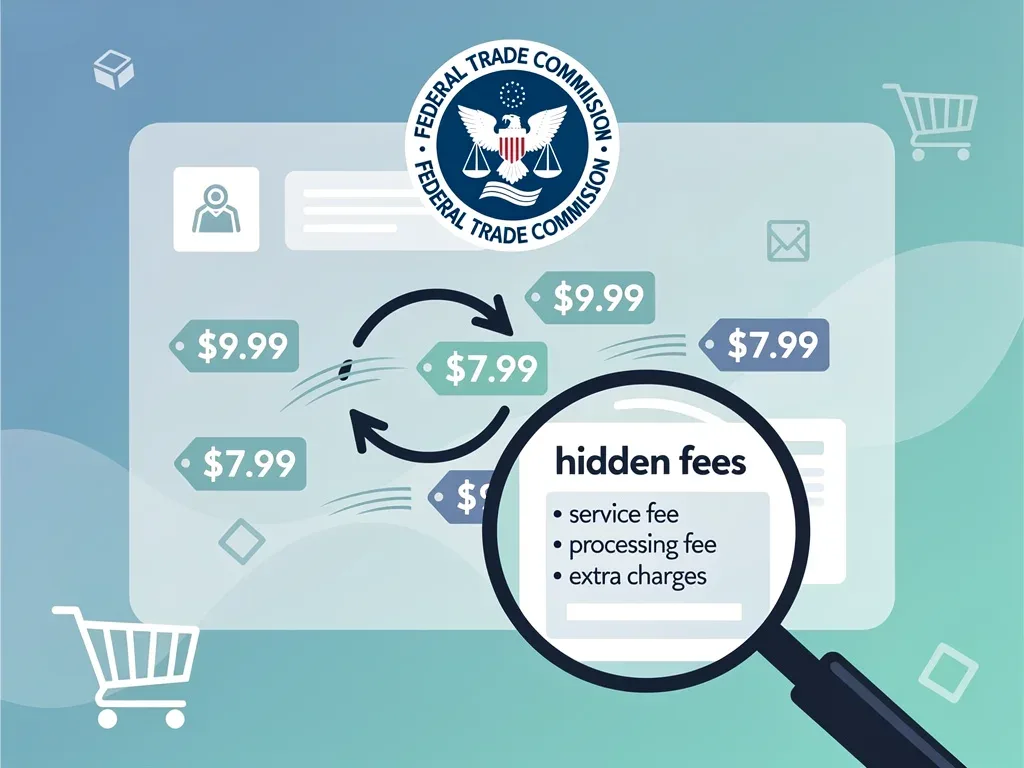
Have you ever reached an online checkout only to see extra charges double your final total? As the FTC Targets Hidden Fees, federal regulators are stepping in to ensure digital consumers finally see transparent, upfront pricing before making a purchase.
The regulatory crackdown focuses on eliminating deceptive drip pricing, mandatory service surcharges, and surprise checkout add-ons. By banning these undisclosed billing practices, the government is forcing online storefronts to overhaul how they present itemized costs to buyers.
Adapting to this all-inclusive pricing mandate will require major e-commerce retailers to adjust their digital fee structures and display total costs clear from the start. Here is how this new ruling changes online shopping for consumers and business owners alike.
FTC's Stance on Digital Deception and Transparency Mandates
The Federal Trade Commission's new mandate signals a strong regulatory push against deceptive pricing strategies prevalent in online commerce. This ruling specifically targets practices where additional charges, often obscured until the final stages of a purchase, inflate the advertised price.
The agency’s objective is clear: to ensure consumers are presented with the full, upfront cost of products and services, eliminating the element of surprise that has long plagued online shopping experiences. This initiative is a direct response to numerous consumer complaints and growing advocacy for clearer pricing.
The ruling demands that all components of a price, including service charges, processing fees, and other surcharges, be explicitly disclosed at the initial stage of product or service display. This will significantly impact how businesses structure their pricing models and present them to the public.
Defining Hidden Digital Fees and Their Impact
Hidden digital fees encompass a broad range of charges that are not clearly communicated to the consumer until late in the purchasing process. These can include booking fees, convenience fees, service charges, and various surcharges that add to the advertised price.
The cumulative effect of these undisclosed costs has led to consumer frustration and a perception of unfair practices within the e-commerce landscape. The FTC's new ruling seeks to rectify this by enforcing full transparency from the outset, empowering consumers with complete pricing information.
By requiring upfront disclosure, the FTC aims to foster a more trustworthy online shopping environment, where consumers can make informed decisions without encountering unexpected costs. This shift is expected to enhance consumer confidence and drive more equitable transactions across digital platforms.
The 2026 Ruling: Key Provisions and Implementation Timeline
The 2026 ruling on FTC Targets Hidden Fees outlines several critical provisions designed to enforce price transparency. These provisions will require e-commerce platforms to overhaul their pricing display mechanisms significantly.
Key among these is the mandate for all-in pricing, where the initial price displayed to the consumer must include all mandatory fees and charges, excluding only government-imposed taxes. This means that platforms can no longer separate out charges that are integral to the purchase.
The implementation timeline provides businesses with a window until early 2026 to adapt their systems and comply with the new regulations. This period is crucial for companies to audit their current pricing structures and integrate the necessary changes to avoid penalties.
Mandatory Disclosure Requirements for E-Commerce Platforms
Under the new FTC ruling, e-commerce platforms will face strict mandatory disclosure requirements. These include displaying the total price prominently and clearly on product pages, search results, and during the initial stages of the checkout process.
Platforms must also provide a clear breakdown of the total cost, distinguishing between the base price and any mandatory fees that contribute to the final amount. This detailed transparency is intended to prevent any ambiguity regarding what consumers are actually paying for.
Failure to adhere to these disclosure standards could result in significant fines and legal repercussions for non-compliant businesses. The FTC is signaling a zero-tolerance approach to practices that intentionally obscure pricing information from consumers.
Projected 12% Price Recalibration: What It Means for Businesses
The anticipated 12% price recalibration is perhaps the most tangible outcome of the Federal Trade Commission's new ruling. This figure represents the estimated average increase in advertised prices as businesses incorporate previously hidden digital fees into their upfront costs.
For many e-commerce businesses, this will necessitate a thorough review of their current pricing strategies, potentially leading to adjustments in profit margins or a re-evaluation of service offerings. The goal is to present a single, transparent price that reflects the true cost to the consumer.
While this recalibration may initially appear as a price hike to consumers, it is fundamentally a shift towards honest pricing, ensuring that the initial sticker price accurately reflects the final transaction amount. Businesses must communicate this change effectively to maintain consumer trust.
Challenges and Opportunities for Online Retailers
The transition to transparent pricing presents both significant challenges and unique opportunities for online retailers. Adapting existing systems to display all-in pricing will require substantial technical and operational adjustments.
Retailers will need to carefully manage their pricing strategy to remain competitive while complying with the new regulations. This could involve absorbing some of the previously hidden fees, adjusting base prices, or innovating service models to justify new transparent pricing.
However, this also offers an opportunity for businesses to build greater consumer trust and loyalty by demonstrating a commitment to transparency. Retailers who proactively embrace these changes can differentiate themselves in a crowded market and appeal to consumers seeking clarity and fairness.
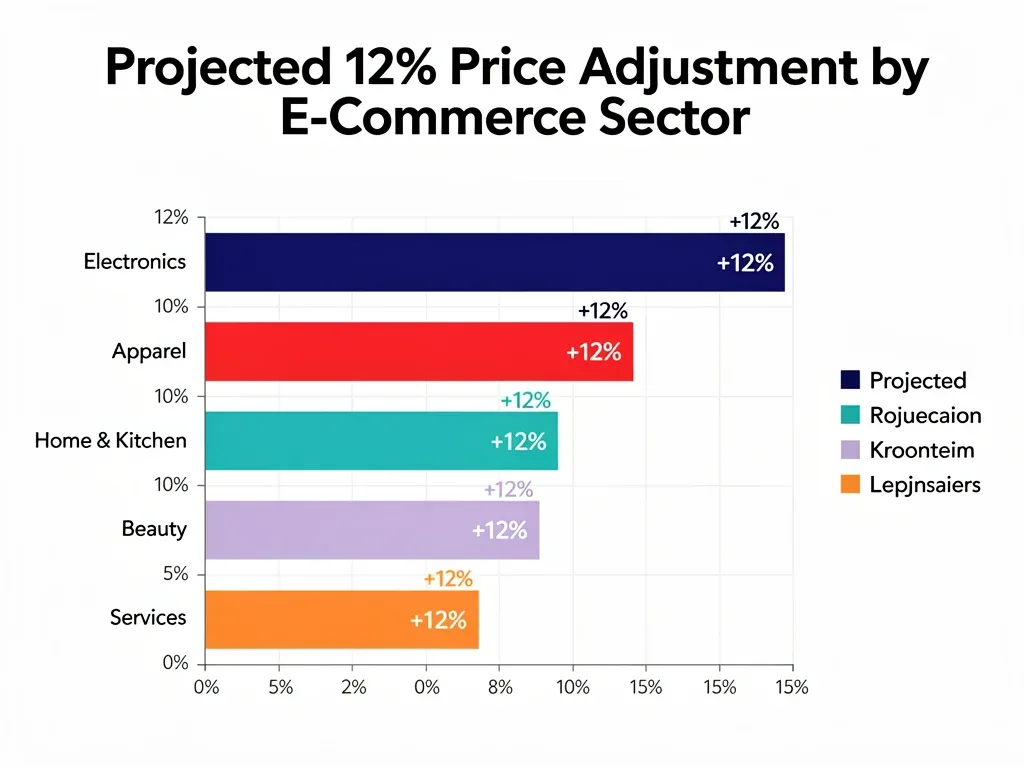
The impact of FTC Targets Hidden Fees will vary across different sectors. For instance, industries heavily reliant on service fees, such as ticketing, travel, and online subscription services, might experience more pronounced adjustments.
Businesses in these sectors, which traditionally bundle various charges that are only revealed at checkout, will need to fundamentally rethink their pricing presentations. This could lead to innovative approaches to service packaging and value communication.
Conversely, sectors with fewer hidden fees might see less dramatic changes, primarily focusing on ensuring their existing pricing models meet the new transparency standards. Regardless, all e-commerce players will need to review their practices thoroughly.
Consumer Impact: Enhanced Transparency and Purchasing Power
For consumers, the Federal Trade Commission's new ruling promises a significant improvement in the online shopping experience. The elimination of hidden digital fees means that the price they see initially will be the price they expect to pay, fostering greater trust and predictability.
This enhanced transparency will empower consumers to make more informed purchasing decisions, allowing for clearer price comparisons across different platforms and providers. The ability to see the full cost upfront removes a major source of frustration and buyer's remorse.
Ultimately, the FTC Targets Hidden Fees aims to restore a sense of fairness to digital transactions, shifting the burden of discovering hidden costs from the consumer to the business.
Protecting Consumers from Deceptive Pricing Practices
The FTC's ruling is a direct measure to protect consumers from deceptive pricing tactics that have historically leveraged hidden fees. These practices often exploit psychological biases, where consumers are less likely to abandon a purchase once they have invested time in the checkout process, despite unexpected charges.
By mandating upfront disclosure, the commission is leveling the playing field, ensuring that consumers are not misled by artificially low advertised prices. This initiative aligns with broader consumer protection efforts to ensure honesty and integrity in advertising.
The ruling reinforces the principle that businesses should compete on the true value and transparent cost of their offerings, rather than through obfuscated pricing structures. This will ultimately benefit consumers by promoting a more honest and competitive marketplace.
Legal and Regulatory Landscape: Precedents and Future Implications
The FTC Targets Hidden Fees does not emerge in a vacuum. It builds upon a series of recent regulatory actions and increasing scrutiny of deceptive practices across various industries.
This ruling sets a significant precedent for future regulatory interventions in the digital economy, indicating a proactive stance by the FTC to address evolving market challenges. It signals a shift towards stricter enforcement of consumer protection laws in the online sphere.
The legal implications for businesses that fail to comply are substantial, ranging from financial penalties to reputational damage and potential class-action lawsuits. Adherence to the new standards will be crucial for maintaining legal standing and consumer confidence.
Compliance Strategies for E-Commerce Platforms
E-commerce platforms must develop robust compliance strategies well in advance of the 2026 deadline. This involves a multi-faceted approach that includes legal review, technological adjustments, and effective communication with both consumers and internal teams.
Legal teams should meticulously review current pricing models and terms of service to identify any potential areas of non-compliance. Technological teams will be responsible for implementing the necessary changes to pricing display systems and checkout flows.
Furthermore, businesses should proactively educate their customer service and marketing departments on the new regulations. This ensures consistent messaging and helps address consumer inquiries regarding the recalibrated pricing transparently and effectively.
Industry Reactions and Expert Analysis
The announcement that the FTC Targets Hidden Fees has garnered mixed reactions from the industry. While consumer advocacy groups have lauded the move as a victory for transparency, some e-commerce businesses express concerns about the operational challenges and potential impact on competitiveness.
Industry experts are actively analyzing the potential ramifications, with many emphasizing the need for businesses to view this as an opportunity rather than solely a burden. The consensus is that early and strategic adaptation will be key to navigating the new regulatory environment successfully.
Analysts project that companies that embrace transparency wholeheartedly could gain a competitive edge, as consumers increasingly prioritize clarity and trust in their online interactions. The ruling is expected to drive innovation in how value is communicated to the customer.

Navigating the Transition: Best Practices for Businesses
As businesses prepare for the 2026 implementation, adopting best practices for navigating this transition will be essential. This includes conducting a comprehensive audit of all current fees and charges, ensuring every component is justifiable and clearly identifiable.
Developing clear and concise communication strategies to explain the pricing changes to consumers is paramount. Transparency in communication will help mitigate any negative perceptions of price increases and build understanding.
Investing in technology solutions that facilitate seamless integration of all-in pricing and detailed cost breakdowns will also be crucial. Platforms that offer intuitive and transparent pricing displays will likely foster greater consumer satisfaction and loyalty.
Long-Term Effects on E-Commerce and Consumer Behavior
The long-term effects of the Federal Trade Commission's ruling will likely reshape the e-commerce landscape significantly. By eliminating hidden digital fees, the ruling is poised to create a more equitable and trustworthy online marketplace, influencing both business practices and consumer behavior.
Consumers are expected to develop a higher expectation for pricing transparency, making it difficult for businesses to revert to opaque practices. This could lead to a permanent shift in how e-commerce operates, prioritizing honesty over deceptive tactics.
The FTC Targets Hidden Fees may also spur innovation in service delivery and business models, as companies seek new ways to add value and justify their transparent pricing structures.
The Future of Online Pricing and Trust
The future of online pricing will increasingly hinge on trust and transparency. The FTC's ruling is a strong indicator that regulatory bodies are committed to ensuring fair play in the digital realm, pushing businesses towards more ethical practices.
This emphasis on trust could lead to a more discerning consumer base that actively seeks out and rewards transparent businesses. Companies that fail to adapt may find themselves at a significant disadvantage in a market that increasingly values clarity.
The ruling also has the potential to foster greater competition based on true value rather than misleading pricing. As all costs become visible, businesses will need to genuinely compete on product quality, service excellence, and overall customer experience, rather than relying on hidden charges to boost profits.
Key Point | Brief Description |
|---|---|
New Ruling | FTC mandates upfront disclosure of all digital fees by 2026. |
Price Recalibration | E-commerce prices projected to recalibrate by 12% due to transparency. |
Consumer Impact | Enhanced transparency, informed decisions, and greater trust. |
Business Adaptation | Requires significant changes in pricing, systems, and communication. |
Frequently Asked Questions About FTC's New Ruling
What is the core objective of the FTC's new ruling on digital fees?▼
The primary objective of the Federal Trade Commission Targets Hidden Digital Fees: New 2026 Ruling Forces 12% Price Recalibration Across E-Commerce is to ensure complete price transparency in online transactions. It aims to eliminate deceptive practices where fees are hidden until the final stages of a purchase, empowering consumers with upfront cost information.
How will the 12% price recalibration affect consumers?▼
The 12% price recalibration means that the initial advertised prices for e-commerce goods and services will likely appear higher, as previously hidden fees are now included upfront. While the final cost may not significantly change, consumers will benefit from clearer, more predictable pricing and enhanced ability to compare offers effectively.
What kind of businesses are most impacted by this new regulation?▼
Businesses heavily reliant on service fees, such as online travel agencies, ticketing platforms, and subscription services, are expected to be most impacted. Any e-commerce platform that currently employs drip pricing or obscures mandatory charges will need to significantly adjust its pricing display and internal processes to comply with the new ruling.
When does the Federal Trade Commission's new ruling officially take effect?▼
The Federal Trade Commission Targets Hidden Digital Fees: New 2026 Ruling Forces 12% Price Recalibration Across E-Commerce is set to officially take effect in early 2026. This provides businesses with a crucial transition period to audit their current practices, implement necessary system changes, and adapt their pricing strategies to meet the new transparency standards.
What should consumers do to prepare for these changes?▼
Consumers should remain vigilant and aware of the upcoming changes. They can expect to see clearer pricing on e-commerce platforms and should continue to review all costs before finalizing purchases. This ruling is designed to simplify the process, but staying informed about how businesses adapt will ensure a smoother online shopping experience.
What Happens Now
The Federal Trade Commission's new 2026 ruling marks a pivotal moment for e-commerce, shifting the paradigm towards mandatory pricing transparency.
Businesses must prioritize compliance to avoid penalties and foster consumer trust, while consumers can anticipate a more straightforward and honest online shopping experience.
This move underscores a broader regulatory trend aimed at ensuring fairness and clarity in the digital marketplace, setting a new standard for online transactions.