FTC Digital Ad Rules 2026: 35% Penalty Surge Explained
Advertisements
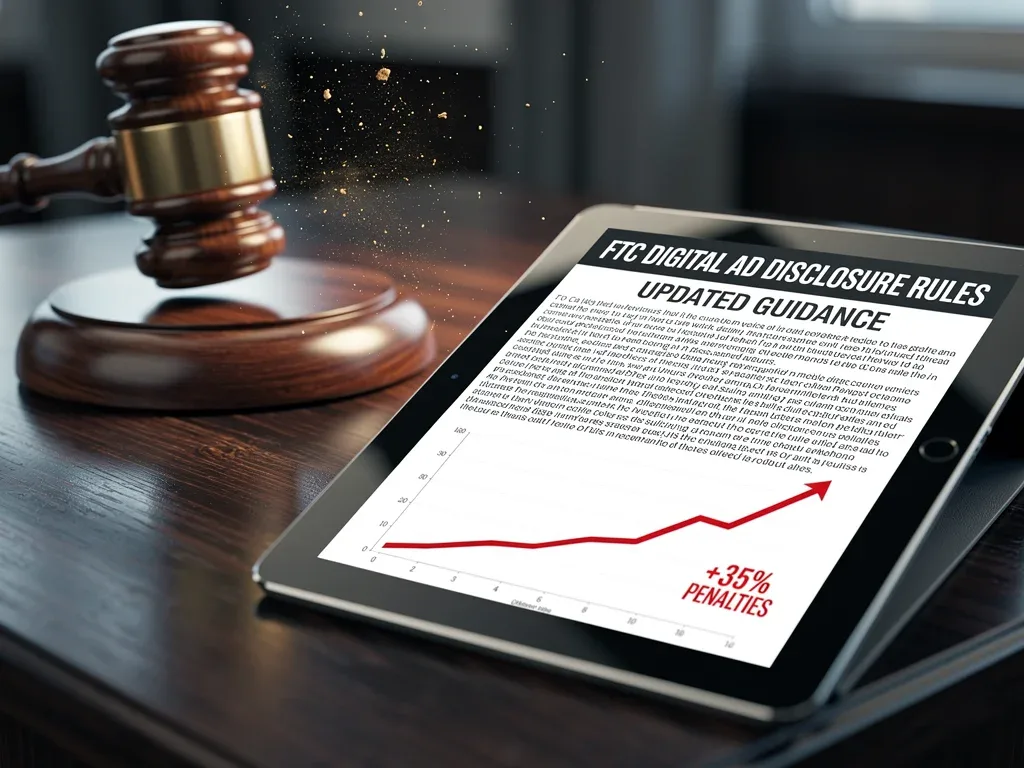
Is your marketing team prepared for the strictest online compliance crackdown in recent history? Adapting your campaigns to the updated FTC Digital Ad Rules is critical as federal regulators introduce a steep 35% surge in monetary penalties for deceptive marketing.
The Federal Trade Commission is targeting hidden affiliate disclaimers, dark patterns, and misleading influencer endorsements across social channels. Commercial advertisers and brand agencies now face immediate civil liability for failing to provide clear and conspicuous disclosures on mobile displays.
Whether you run paid social campaigns or manage affiliate partnerships, updating your brand protocols is necessary to avoid catastrophic regulatory fines. Here is what marketers need to know about enforcement priorities to keep digital campaigns fully compliant.
FTC Digital Ad Rules: Understanding the New Regulatory Landscape
The Federal Trade Commission has announced significant updates to its digital advertising disclosure guidelines, set to take full effect by 2026. These new FTC Digital Ad Rules are designed to enhance transparency for consumers and hold advertisers more accountable for their marketing practices in the digital space.
The core of these regulations revolves around clearer, more conspicuous disclosures for sponsored content, influencer marketing, and affiliate links across various digital platforms.
Brands that fail to adhere to these updated standards will face not only reputational damage but also substantial financial penalties, which are set to increase by a staggering 35%.
This aggressive enforcement posture by the FTC signals a new era for digital advertising, demanding proactive compliance from all market participants.
The agency's objective is to curb deceptive practices and ensure that consumers can easily distinguish between organic content and paid promotions, fostering a more trustworthy online environment.
The 35% Penalty Surge: What It Means for Brands
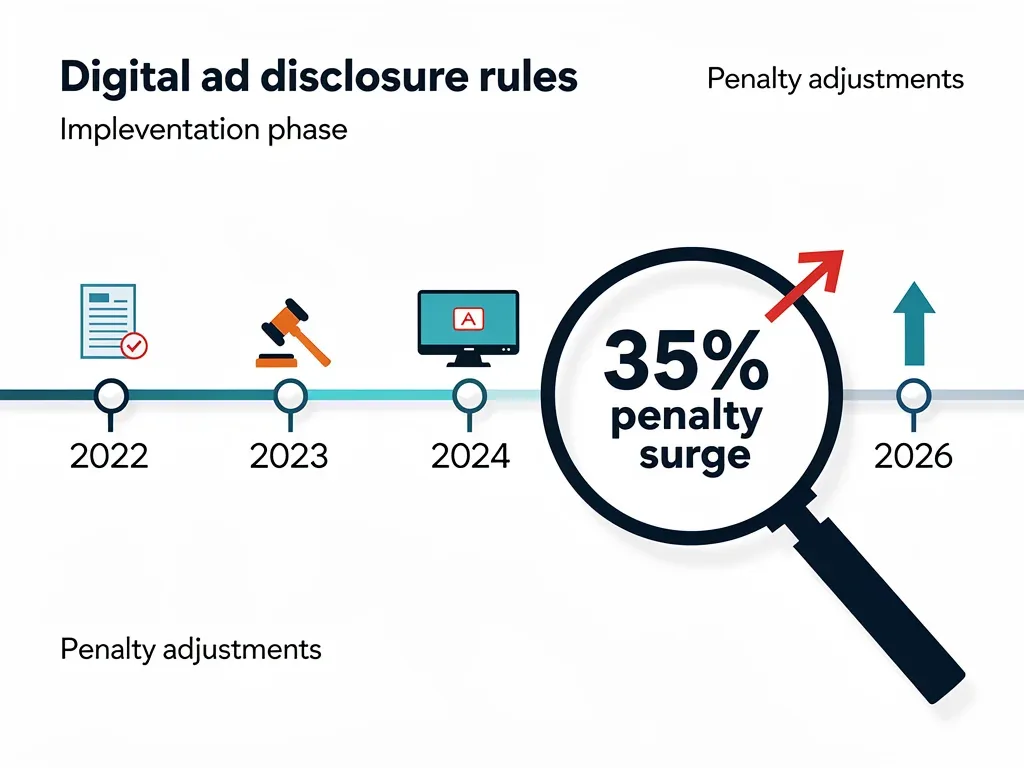
One of the most critical aspects of the upcoming FTC Digital Ad Rules is the introduction of a 35% increase in penalties for violations. This significant surge underscores the FTC's commitment to rigorous enforcement and serves as a powerful deterrent against non-compliance.
For brands, this means that the financial stakes of digital advertising compliance have never been higher. A single misstep or oversight in disclosure practices could result in fines that are considerably more punitive than in previous years, directly impacting a company's bottom line and operational stability.
This substantial penalty increase necessitates a re-evaluation of existing advertising strategies and a renewed focus on legal and ethical guidelines.
Brands must prioritize investment in compliance training, legal counsel, and robust internal review processes to mitigate the heightened financial risks associated with the new FTC Digital Ad Rules.
Key Areas of Increased Scrutiny
Influencer Marketing: Clearer guidelines on disclosure for sponsored posts and endorsements.
Native Advertising: Mandates for unambiguous labeling of promotional content blending with editorial.
Affiliate Links: Requirements for prominent and easily understandable disclosures of financial relationships.
The FTC's enhanced focus extends beyond just the presence of a disclosure; it now scrutinizes the prominence, clarity, and understandability of these disclosures. This means that burying disclaimers in fine print or making them difficult to find will no longer suffice under the new FTC Digital Ad Rules.
Preparing for 2026: A Strategic Roadmap for Compliance
Brands cannot afford to wait until 2026 to begin preparing for the new FTC Digital Ad Rules. Proactive measures are essential to ensure a smooth transition and avoid potential penalties. A comprehensive compliance strategy should be developed and implemented immediately.
This roadmap should involve a multi-faceted approach, including legal reviews of current advertising practices, employee training programs, and the adoption of new technologies to facilitate compliance.
Early preparation will not only minimize risks but also position brands as leaders in ethical digital marketing.
Ignoring these impending changes is not an option, as the FTC has clearly signaled its intent to vigorously enforce the new regulations. Brands that embrace the spirit of these FTC Digital Ad Rules will build stronger trust with their audience and safeguard their reputation.
Essential Steps for Brands
Conduct a Comprehensive Audit: Review all current digital ad campaigns and marketing materials for compliance gaps.
Update Disclosure Policies: Revise internal guidelines to reflect the new FTC requirements for clarity, prominence, and placement.
Invest in Training: Educate marketing teams, content creators, and influencers on the updated disclosure standards.
Engage Legal Counsel: Seek expert legal advice to interpret complex aspects of the new regulations and ensure full compliance.
The complexity of digital advertising platforms and the rapid evolution of marketing techniques make compliance a continuous effort. Brands must establish ongoing monitoring and review mechanisms to ensure sustained adherence to the FTC Digital Ad Rules as the digital landscape continues to evolve.
Impact on Influencer Marketing and Content Creators
The new FTC Digital Ad Rules will have a particularly significant impact on influencer marketing and content creators. The FTC has consistently emphasized the need for clear and conspicuous disclosures in this sector, and the 2026 rules will tighten these requirements further.
Influencers will be expected to make their sponsored relationships unequivocally clear to their audience, regardless of the platform.
This means moving beyond simple hashtags to more explicit verbal or written disclosures that are easily understood by the average consumer, directly addressing the spirit of the FTC Digital Ad Rules.
Brands working with influencers must ensure their contracts include robust compliance clauses and provide clear guidance on disclosure practices.
Failure by an influencer to comply can still result in penalties for the sponsoring brand, making due diligence in partner selection and monitoring paramount under the new FTC Digital Ad Rules.

Technological Solutions for Disclosure Compliance
As the FTC Digital Ad Rules approach, technology will play an increasingly vital role in ensuring compliance. Brands can leverage various tools and platforms to automate and streamline their disclosure processes, reducing the risk of human error.
Solutions range from AI-powered content analysis tools that can flag potential disclosure issues to integrated marketing platforms that embed compliance checks into campaign workflows. These technological advancements can help brands manage the intricate requirements of the new regulations efficiently.
Investing in appropriate technology is not just about avoiding penalties; it's about building a scalable and sustainable compliance framework that can adapt to future regulatory changes.
The right tools can transform compliance from a burden into a competitive advantage, aligning with the intent of the FTC Digital Ad Rules.
Innovations in Compliance Technology
AI-Powered Content Scanners: Automatically detect and flag non-compliant disclosures in digital content.
Disclosure Management Platforms: Centralize and standardize disclosure language and placement across campaigns.
Influencer Monitoring Tools: Track influencer content for proper disclosure adherence in real-time.
The integration of compliance technology into daily operations will become a standard practice for forward-thinking brands. This proactive approach ensures that disclosures are consistently applied, meeting the strict demands of the new FTC Digital Ad Rules.
Consumer Trust and Ethical Advertising Under New Rules
Beyond legal and financial implications, the new FTC Digital Ad Rules are fundamentally about fostering greater consumer trust. Transparency in advertising builds stronger relationships between brands and their audience, promoting ethical marketing practices.
Consumers are increasingly wary of deceptive advertising and value authenticity. Brands that embrace the spirit of these new regulations by prioritizing clear disclosures will likely see enhanced brand loyalty and positive public perception. Compliance should be viewed as an opportunity to reinforce ethical commitments.
The FTC's push for transparency ultimately benefits the entire digital ecosystem by creating a more level playing field and protecting consumers from manipulation. Brands that champion these values will thrive in the evolving landscape shaped by the new FTC Digital Ad Rules.
Global Implications and Future Outlook
While the FTC Digital Ad Rules primarily impact brands operating in the United States, their influence extends globally. Regulatory bodies in other countries often look to the FTC as a benchmark for consumer protection and digital advertising standards.
This means that brands with an international presence should consider how these U.S.-based regulations might foreshadow similar changes in other markets. Adopting a universal best-practice approach to disclosure can help future-proof global advertising efforts.
The 2026 deadline marks a significant milestone, but it is unlikely to be the final word on digital advertising regulation.
Brands should anticipate continuous evolution in this space, driven by technological advancements and shifting consumer expectations, making ongoing vigilance regarding FTC Digital Ad Rules essential.
Key Aspect | Brief Description |
|---|---|
New Rules Effective | Full enforcement of digital ad disclosure rules by 2026. |
Penalty Increase | Significant 35% surge in financial penalties for non-compliance. |
Key Focus Areas | Influencer marketing, native advertising, and affiliate links. |
Brand Preparedness | Mandatory audits, policy updates, training, and legal counsel. |
Frequently Asked Questions About FTC Digital Ad Rules
What exactly are the new FTC Digital Ad Rules for 2026?▼
The new rules, part of the FTC Digital Ad Rules, are updated guidelines for digital advertising disclosures. They require clearer, more prominent, and easily understandable disclosures for sponsored content, influencer marketing, and affiliate relationships across all digital platforms to prevent consumer deception.
Why is there a 35% penalty surge for non-compliance?▼
The 35% penalty surge under the FTC Digital Ad Rules reflects the FTC's intensified commitment to enforcement and deterrence. It aims to make non-compliance significantly more costly for brands, ensuring greater adherence to transparency standards in digital advertising.
How do these rules affect influencer marketing?▼
Influencer marketing is a primary focus of the FTC Digital Ad Rules. Influencers must make their sponsored relationships unequivocally clear, using explicit disclosures beyond simple hashtags. Brands are responsible for ensuring their influencers comply to avoid shared liability.
What steps should brands take to prepare for the 2026 deadline?▼
Brands should conduct comprehensive audits of their digital ad practices, update disclosure policies, and invest in training for marketing teams and influencers. Engaging legal counsel and exploring compliance technology are also crucial steps for adapting to the FTC Digital Ad Rules.
What are the long-term implications of these FTC Digital Ad Rules?▼
The long-term implications include increased consumer trust, a more ethical digital advertising ecosystem, and potentially similar regulations in other global markets. Brands that proactively embrace these FTC Digital Ad Rules will likely gain a competitive advantage and stronger brand loyalty.
Looking Ahead: Navigating the New Digital Advertising Era
The upcoming FTC Digital Ad Rules for 2026 represent a pivotal moment for digital advertising. Brands must not view these changes merely as regulatory hurdles but as an opportunity to build stronger, more transparent relationships with their consumers.
The increased penalties underscore the FTC's serious intent, making proactive compliance an absolute necessity.
As the deadline approaches, continued vigilance and adaptation will be paramount. Brands that prioritize ethical practices, invest in robust compliance frameworks, and leverage technological solutions will be best positioned to thrive in this new regulatory landscape.
The future of digital advertising demands a commitment to transparency and consumer protection, driven by the new FTC Digital Ad Rules.