US Retailers Face Stricter Oversight: 100% Traceability on Fashion Imports
Advertisements
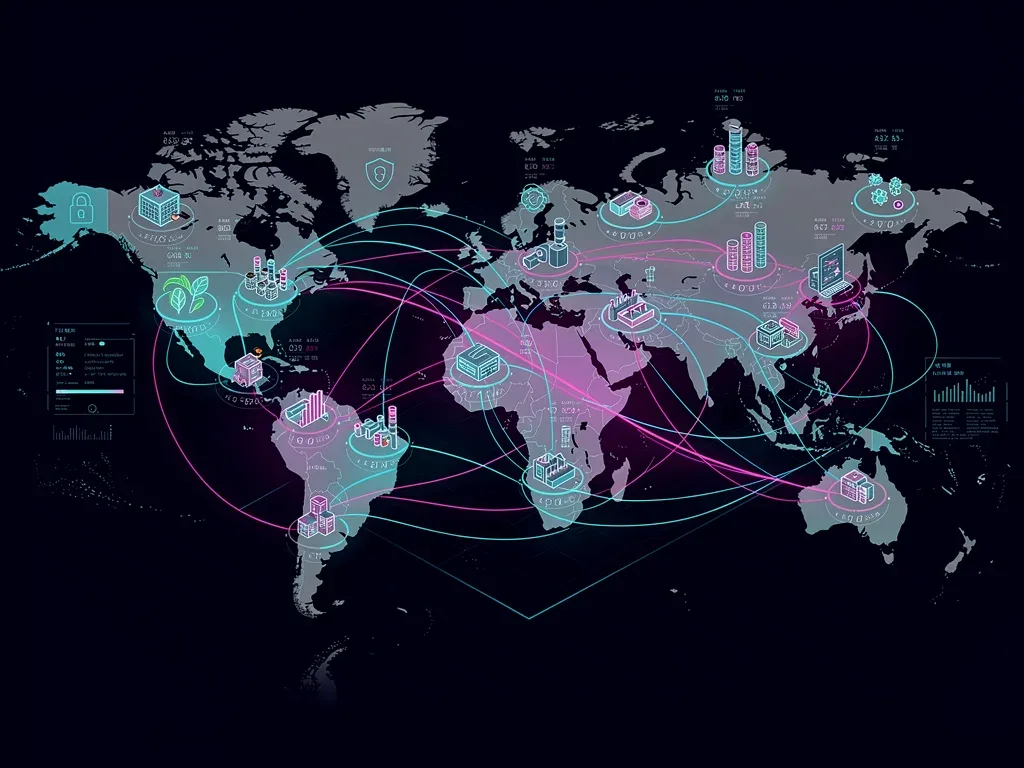
Achieving complete fashion import traceability is no longer optional for brands seeking to enter the lucrative United States market. Federal authorities are enforcing strict supply chain visibility mandates, requiring complete digital tracking from raw fiber harvesting all the way to final delivery.
Relying on opaque overseas vendor networks exposes apparel businesses to severe border delays, massive regulatory fines, and inventory seizures. Proactively auditing upstream textile origins guarantees smooth customs clearance and shields your brand reputation from forced labor compliance risks.
Discover how leading clothing labels are modernizing their logistical mapping to comply with updated import standards. Upgrade your supply chain oversight, leverage digital passports, and maintain an uninterrupted distribution pipeline across the American retail sector.
The New Era of Fashion Import Traceability Begins
The federal government's directive for 100% traceability on fashion imports signals a new era for US retailers and the entire global fashion supply chain. This mandate is a direct response to increasing concerns over unethical labor practices, environmental impact, and the need for greater transparency.
Retailers are now tasked with implementing robust systems capable of tracking every component of their imported fashion products, from raw materials to finished goods. This includes detailed documentation of manufacturing processes, labor conditions, and transportation routes, ensuring comprehensive visibility.
The goal is to provide consumers and regulators with irrefutable proof of a product's journey, making it nearly impossible for illicit goods or unethically produced items to enter the US market. This heightened scrutiny means a significant operational overhaul for many businesses.
Understanding the Regulatory Framework
The new regulatory framework is extensive, encompassing several federal agencies collaborating to enforce the fashion import traceability mandate. Key agencies involved include Customs and Border Protection (CBP) and the Department of Labor, working in conjunction to identify and prevent non-compliant imports.
Specific guidelines outline the types of documentation required, the acceptable digital platforms for data submission, and the penalties for non-compliance. These measures aim to create a standardized approach to supply chain verification, moving beyond mere declarations to verifiable evidence.
Retailers must familiarize themselves with these intricate details to avoid costly delays, fines, or even seizure of goods at ports of entry. This proactive engagement is vital for maintaining smooth import operations and ensuring continued market access.
Mandatory digital record-keeping for all imported fashion items.
Verification of raw material origin and ethical sourcing practices.
Detailed reporting on manufacturing facilities and labor conditions.
Strict penalties for non-compliance, including fines and import bans.
Operational Impacts on US Retailers
The mandate for 100% traceability on fashion imports presents significant operational challenges and opportunities for US retailers. Adapting to these new requirements will necessitate substantial investments in technology, personnel, and process re-engineering.
Supply chain management systems must be upgraded or entirely replaced to accommodate the granular level of data collection and reporting now required. This includes integrating new software solutions that can communicate effectively across diverse international partners.
Furthermore, training for procurement, logistics, and compliance teams will be essential to ensure a thorough understanding of the new regulations and their practical application. The shift demands a more collaborative and transparent relationship with global suppliers.
Technology and Data Management
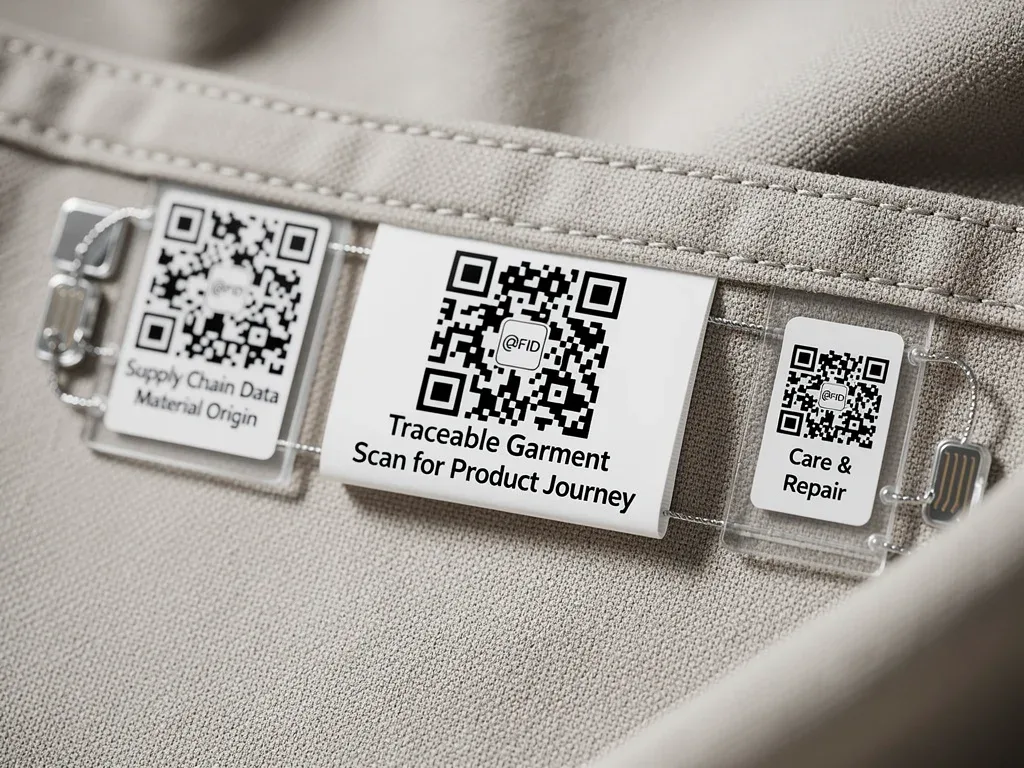
Technology will play a central role in achieving the required fashion import traceability. Blockchain, RFID, and advanced data analytics are emerging as critical tools for managing the vast amounts of information generated throughout the supply chain.
These technologies offer immutable records and real-time tracking capabilities, which are indispensable for meeting the mandate's stringent verification standards. Retailers are exploring partnerships with tech providers to implement these solutions efficiently.
Effective data management is not just about collection but also about secure storage, accessibility, and the ability to generate compliance reports quickly and accurately. This technological overhaul is a long-term investment that will redefine supply chain practices.
Ensuring Ethical Sourcing and Labor Practices
A primary driver behind the mandate for 100% traceability on fashion imports is the federal government's commitment to combating forced labor and promoting ethical sourcing. This regulation directly addresses long-standing issues within the global fashion industry.
Retailers are now under increased pressure to conduct thorough due diligence on their suppliers, extending beyond direct manufacturers to subcontractors and raw material providers. This involves on-site audits, third-party certifications, and continuous monitoring of labor conditions.
The goal is to eliminate any potential links to forced labor, child labor, or other human rights abuses within the supply chain. This ethical imperative aligns with growing consumer demand for responsibly produced goods.
Combating Illicit Trade and Counterfeiting
Beyond ethical concerns, enhanced fashion import traceability is a powerful tool in the fight against illicit trade and counterfeiting. By providing an irrefutable digital footprint for every genuine product, it becomes significantly harder for counterfeit goods to infiltrate the market.
The ability to verify authenticity at any point in the supply chain protects brand integrity and consumer safety. This also helps in cracking down on goods produced in violation of intellectual property rights, safeguarding the investments of legitimate businesses.
This aspect of the mandate provides a clear economic incentive for retailers to adopt robust traceability systems, as it directly contributes to protecting their revenue streams and market reputation. The benefits extend beyond compliance to tangible business advantages.
Verification of fair labor wages and safe working conditions.
Prevention of goods produced using forced or child labor.
Protection of intellectual property rights and brand authenticity.
Reduction in the flow of counterfeit and illicit fashion products.
Consumer Confidence and Market Demand
The increased transparency brought about by the mandate for 100% traceability on fashion imports is expected to significantly boost consumer confidence. Modern consumers are increasingly conscious of the ethical and environmental impact of their purchases.
Retailers who can openly demonstrate the ethical and sustainable journey of their products will gain a competitive edge in the market. This transparency builds trust and fosters brand loyalty among a growing segment of the population.
Conversely, companies that fail to adapt or are found to be non-compliant risk reputational damage and a loss of market share. Consumer demand is clearly shifting towards brands that prioritize responsible practices.
Preparing for Compliance Audits and Enforcement
US retailers must be fully prepared for rigorous compliance audits and enforcement actions related to fashion import traceability. Federal agencies will conduct regular checks to ensure adherence to the new regulations, and non-compliance will carry significant consequences.
This preparation involves maintaining impeccable records, ensuring all data is easily accessible and verifiable, and establishing clear internal protocols for responding to audit requests. Proactive engagement with regulatory bodies can also help in understanding expectations.
The enforcement mechanisms are designed to be deterrents, making it imperative for retailers to view compliance not as an option but as a fundamental aspect of doing business in the US fashion market. The stakes are high for those who do not prioritize this shift.

Challenges and Opportunities for Small Businesses
While large corporations may have the resources to quickly implement new traceability systems, small and medium-sized enterprises (SMEs) in the US retail sector face unique challenges. The cost and complexity of integrating advanced supply chain technologies can be daunting.
However, this mandate also presents opportunities for innovation and collaboration. Smaller retailers can leverage third-party solutions, engage with industry associations for shared resources, and focus on building highly transparent, localized supply chains where feasible.
Government support programs or grants may also become available to assist SMEs in transitioning to these new compliance standards. Adapting effectively will be key to their long-term viability in a more regulated market.
Global Supply Chain Realignments
The mandate for 100% fashion import traceability is prompting a significant realignment of global fashion supply chains. Manufacturers and suppliers worldwide are now under pressure to meet US regulatory standards, impacting sourcing decisions.
Retailers may choose to consolidate their supplier base to partners who can reliably provide the required traceability data, or invest in helping existing partners upgrade their systems. This could lead to shifts in traditional manufacturing hubs and the emergence of new, compliance-focused suppliers.
The overall effect will be a more resilient and transparent global supply network, albeit one that requires a period of adjustment and strategic rethinking from all participants. This is a global change driven by US regulatory action.
Key Point | Brief Description |
|---|---|
New Mandate | Federal regulators require 100% traceability for all fashion imports into the US. |
Operational Impact | Retailers must invest in technology and processes for comprehensive supply chain data. |
Ethical Sourcing | Focus on combating forced labor and ensuring ethical production practices. |
Consumer Trust | Increased transparency builds consumer confidence and brand loyalty. |
Frequently Asked Questions About Fashion Import Traceability
What does 100% traceability on fashion imports mean for retailers?▼
It means retailers must provide verifiable documentation for every stage of their fashion supply chain, from raw materials to finished products. This includes proving ethical sourcing and labor practices, ensuring complete transparency for federal regulators.
Why is the federal government mandating this new traceability?▼
The mandate aims to combat forced labor, enhance supply chain transparency, and prevent the entry of illicit or unethically produced goods into the US market. It reflects a growing commitment to ethical consumption and corporate accountability.
What technologies can help retailers achieve compliance?▼
Technologies like blockchain, RFID, and advanced data analytics are crucial. These tools offer immutable records, real-time tracking, and efficient data management, helping retailers meet the stringent verification standards required for fashion import traceability.
How will this impact small to medium-sized fashion businesses?▼
SMEs may face challenges due to implementation costs and complexity, but opportunities exist through third-party solutions and industry collaborations. Adapting effectively is essential for their continued participation in the US fashion market.
What are the consequences of non-compliance with the new mandate?▼
Non-compliance can lead to significant penalties, including fines, import delays, and seizure of goods at ports of entry. It can also result in severe reputational damage and loss of consumer trust, impacting long-term business viability.
What Happens Now
The mandate for 100% traceability on fashion imports is not just a regulatory update; it is a transformative force reshaping the entire industry. US retailers are now at a critical juncture, where strategic decisions regarding supply chain transparency and ethical sourcing will determine their future success.
This shift requires continuous vigilance, investment in robust technological solutions, and a proactive approach to compliance. The federal government's stance is clear: accountability throughout the fashion supply chain is no longer optional but an absolute necessity for market access.
As the industry adapts, consumers can anticipate a more transparent and ethically sound marketplace, and businesses that embrace these changes will emerge as leaders in a new era of responsible fashion. The journey towards full fashion import traceability is ongoing, demanding sustained effort and collaboration from all stakeholders.