Short-Term vs. Long-Term Disability: Calculating Your 60% Salary Protection Threshold
Advertisements
What would happen to your household finances if a sudden injury or illness paused your paycheck? Calculating your Salary Protection Threshold is essential when structuring group or individual disability coverage. Reaching this standard financial baseline ensures your necessary household expenses remain covered if health challenges temporarily keep you away from work.
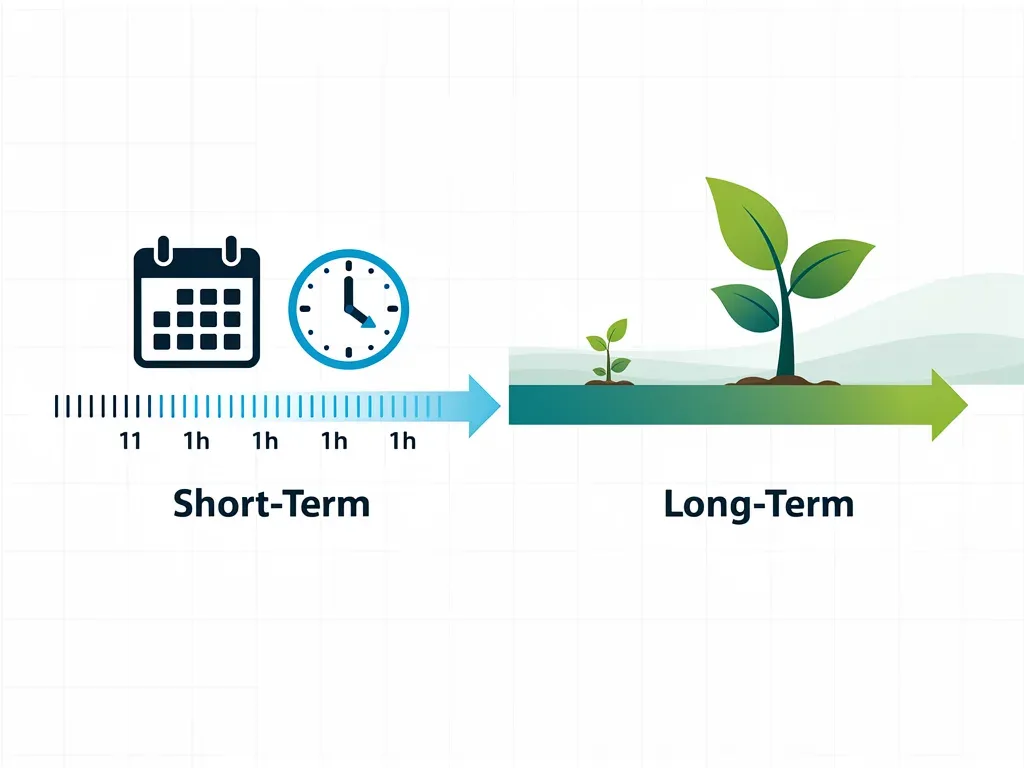
Short-term policies step in immediately to replace wage gaps during temporary recovery periods, typically carrying brief waiting periods. Conversely, long-term benefit structures activate after extended elimination windows to safeguard your earning potential through multi-year health complications.
Navigating policy caps, gross earnings calculations, and tax implications is crucial for preventing unexpected shortfalls. Aligning both coverage tiers helps build a seamless income replacement strategy that protects your long-term financial stability.
Understanding Disability Insurance: A Crucial Overview
Disability insurance serves as a vital financial safety net, providing income replacement if you become unable to work due to illness or injury. It protects your earnings, ensuring that essential expenses can still be met during periods of incapacitation.
The distinction between short-term and long-term disability is fundamental, impacting the duration and scope of benefits. Understanding these differences is the first step toward effectively navigating your coverage options and calculating your potential salary protection.
For many, the primary goal is to maintain a significant portion of their income, often aiming for a 60% salary protection threshold, which is a common benchmark in many policies. This threshold helps bridge the gap between your usual earnings and the financial support received during disability.
Short-Term Disability: Immediate Income Protection
Short-term disability (STD) policies are designed to provide income replacement for a limited period, typically ranging from a few weeks to several months. These policies are crucial for covering temporary incapacitations that prevent you from performing your job duties.
Eligibility for STD often depends on meeting specific criteria, including a waiting period after the onset of disability and medical certification of your inability to work. The benefit amount is usually a percentage of your pre-disability income, commonly around 60%.
Calculating your 60% salary protection threshold for STD involves understanding your gross monthly income and applying the policy's specific benefit percentage. This calculation helps you anticipate the financial support you would receive during a short-term absence.
Key Features of Short-Term Disability Policies
Benefit Duration: Typically 3 to 6 months, though some policies may extend up to a year.
Elimination Period: A waiting period (e.g., 7-14 days) before benefits begin.
Benefit Percentage: Commonly 50-70% of your pre-disability income.
The specific terms and conditions of STD policies can vary significantly between employers and private insurers. It is essential to review your policy documents carefully to ascertain the exact parameters of your coverage, including the definition of disability and any exclusions that may apply.
Long-Term Disability: Sustained Financial Security
Long-term disability (LTD) insurance takes over when short-term benefits expire, providing continued income replacement for extended periods, potentially until retirement age. LTD is vital for severe or chronic conditions that render an individual unable to work for many years.
The transition from STD to LTD is often seamless if both policies are part of an employer-sponsored plan, but separate applications may be required for individual policies.
The definition of disability can also change, often becoming stricter for LTD, requiring you to be unable to perform any occupation for which you are reasonably qualified.
For LTD, calculating your 60% salary protection threshold involves similar steps to STD, focusing on your pre-disability income and the policy's benefit percentage. However, it's critical to consider how other income sources, like Social Security Disability Insurance (SSDI), might offset your LTD benefits.
Navigating Long-Term Disability Claims
Benefit Period: Can extend for years, often until age 65 or Social Security Normal Retirement Age.
Elimination Period: Typically 90 or 180 days, often coinciding with the end of STD benefits.
Offset Provisions: Benefits may be reduced by other income, such as SSDI or workers' compensation.
Securing long-term disability salary protection is a proactive measure against unforeseen circumstances. The financial implications of a prolonged inability to work can be devastating without adequate coverage, making a clear understanding of your LTD policy indispensable.

Calculating Your 60% Salary Protection Threshold
The 60% salary protection threshold is a common target for disability insurance benefits, aiming to replace a significant portion of your income. To calculate this, you need to determine your gross monthly income before taxes and deductions.
For example, if your gross monthly income is $5,000, a 60% salary protection threshold would mean a monthly benefit of $3,000. This figure serves as a baseline, but actual payouts can be influenced by various factors, including policy maximums and offsets.
It is important to remember that disability benefits are often taxable, depending on who paid the premiums. If your employer paid the premiums, your benefits are typically taxable. If you paid them with after-tax dollars, they are usually tax-free. This impacts your net income replacement.
Factors Affecting Your Protection Threshold
Gross Income: Your total earnings before any deductions.
Policy Maximums: Most policies have a cap on the maximum monthly benefit, regardless of your income.
Offsets: Other benefits (e.g., Social Security, workers' compensation) can reduce your disability payout.
Understanding these variables is crucial for an accurate assessment of your potential income replacement. A thorough review of your policy documents or consultation with a benefits specialist can provide clarity on your specific 60% salary protection threshold.
Current Policy Standards and Definitions
Current policy standards for disability insurance are shaped by evolving regulations and insurer practices. The definition of disability is a critical component, determining when you qualify for benefits. Most policies use either an "own occupation" or "any occupation" definition.
An "own occupation" definition means you are considered disabled if you cannot perform the duties of your specific job. This is generally more favorable for the policyholder. An "any occupation" definition, typically used in LTD after an initial period, means you cannot perform any job for which you are reasonably suited by education, training, or experience.
These definitions significantly impact your ability to claim benefits and the duration of your coverage. Policy language around these definitions is often complex and requires careful interpretation to fully understand your rights and potential limitations.
Key Policy Standard Considerations
Policy exclusions and limitations are also vital to review. Pre-existing conditions, for instance, may have waiting periods before they are covered, or they might be excluded entirely. Some policies also have limitations on mental health or substance abuse-related disabilities.
Understanding these nuances is essential for anyone relying on disability insurance for their 60% salary protection. A comprehensive review ensures there are no surprises when you need to file a claim. The clarity of these standards directly affects your ability to secure benefits.
It's also worth noting that policies can be group-based (employer-sponsored) or individual. Group policies often have less stringent underwriting but may offer less flexibility and portability. Individual policies are typically more customizable but require medical underwriting.
The Role of Social Security Disability Insurance (SSDI)
Social Security Disability Insurance (SSDI) is a federal program that provides benefits to individuals who have worked long enough and paid Social Security taxes. It is distinct from private disability insurance but often interacts with long-term disability policies.
Many private LTD policies include provisions for "offsetting" benefits by the amount you receive from SSDI. This means your private LTD payout could be reduced dollar-for-dollar by your SSDI benefits, preventing you from receiving more than your policy's maximum percentage of income.
Applying for SSDI can be a lengthy and complex process, often requiring multiple appeals. However, successfully obtaining SSDI benefits is crucial as it can impact the overall financial landscape of your disability claim, especially concerning your 60% salary protection.
SSDI and Private LTD Integration
Benefit Coordination: Private LTD often requires you to apply for SSDI; benefits are reduced if SSDI is approved.
Application Process: SSDI has a rigorous application and appeals process, which can take months or even years.
Financial Impact: SSDI benefits, once approved, can significantly alter your total disability income.
Understanding how SSDI integrates with your private disability insurance is essential for accurate financial planning during a prolonged disability. This coordination ensures that your total income replacement aligns with your policy's 60% salary protection goals.
Navigating the Claims Process and Common Challenges
Filing a disability claim, whether for short-term or long-term benefits, involves a structured process that requires careful attention to detail. The initial step typically involves notifying your employer and the insurance carrier promptly after becoming disabled.
Documentation is paramount throughout the claims process. This includes medical records, physician statements, and sometimes functional capacity evaluations that clearly outline your limitations. Incomplete or inconsistent documentation can lead to delays or even denial of your claim.
One of the most common challenges is the definition of disability itself. Insurers often scrutinize claims to ensure they meet the policy's specific criteria, which can lead to disputes. Understanding your policy's definition of disability before you claim is therefore critical.
Overcoming Claims Process Hurdles
Thorough Documentation: Maintain meticulous records of medical treatments, diagnoses, and functional limitations.
Policy Review: Understand your policy's definition of disability and any exclusions or limitations.
Professional Assistance: Consider consulting with a disability attorney or advocate for complex claims or denials.
Successfully navigating the claims process ensures you receive the 60% salary protection you are entitled to. Being prepared for potential challenges and proactively addressing documentation requirements can significantly improve your chances of a smooth claim resolution.
Employer-Sponsored vs. Individual Policies
Disability insurance can be obtained through an employer or purchased individually, each with distinct advantages and disadvantages. Employer-sponsored plans are often more affordable, as premiums are typically subsidized by the employer or offered at group rates.
However, employer plans may offer less flexibility in terms of coverage amounts and policy features. They are also usually tied to your employment, meaning you could lose coverage if you change jobs, impacting your long-term disability salary protection.
Individual disability policies, on the other hand, are typically more expensive but offer greater customization and portability. You own the policy, so it moves with you if you change jobs, and you can tailor the benefit amount and riders to your specific needs, ensuring your desired 60% salary protection.
Choosing the Right Disability Coverage
When evaluating options, consider factors like your income, financial obligations, and desired level of income replacement. An individual policy might be a better fit if you have a high income or specialized occupation, ensuring a robust 60% salary protection regardless of employment changes.
It's also important to consider the tax implications. Premiums for employer-paid policies are often tax-deductible for the employer, but benefits are taxable to you. For individual policies, if you pay premiums with after-tax dollars, your benefits are typically tax-free.
Many financial advisors recommend a combination of both: leveraging a basic employer-sponsored plan and supplementing it with an individual policy to fill any gaps and ensure comprehensive 60% salary protection. This hybrid approach offers both affordability and robust, personalized coverage.
Key Point | Brief Description |
|---|---|
Short-Term Disability | Covers temporary inability to work, typically for 3-12 months. |
Long-Term Disability | Provides extended income replacement for severe, prolonged disabilities. |
60% Salary Protection | Common benefit target for income replacement during disability. |
Policy Standards | Definitions of disability, elimination periods, and offset provisions. |
Frequently Asked Questions About Disability Salary Protection
What is the primary difference between short-term and long-term disability?▼
Short-term disability provides benefits for temporary incapacitations, typically lasting a few weeks to months. Long-term disability, conversely, offers extended income replacement for severe or chronic conditions that prevent work for prolonged periods, often until retirement age.
How is the 60% salary protection threshold calculated?▼
The 60% salary protection threshold is calculated by taking 60% of your gross monthly income before taxes and deductions. For example, if your gross income is $5,000, your target benefit would be $3,000 per month, subject to policy maximums and offsets.
Do Social Security Disability Insurance (SSDI) benefits affect private disability payouts?▼
Yes, most private long-term disability policies include offset provisions. This means that any benefits you receive from SSDI will typically reduce your private LTD payout, ensuring that your total income replacement does not exceed the policy's defined percentage.
What are "own occupation" and "any occupation" definitions of disability?▼
"Own occupation" means you're disabled if you can't perform your specific job duties. "Any occupation" means you can't perform any job for which you're reasonably qualified. The latter is stricter and often applies to LTD after an initial period, impacting your disability salary protection.
Why is it important to review policy exclusions and limitations?▼
Reviewing exclusions and limitations is crucial because they can significantly impact your eligibility for benefits. Pre-existing conditions, specific medical diagnoses, or types of injuries might be excluded or have waiting periods, directly affecting your 60% salary protection.
What this means
The landscape of disability salary protection is complex, requiring individuals to carefully assess their short-term and long-term disability coverage. Understanding the 60% salary protection threshold and the nuances of current policy standards is paramount for securing financial stability during unforeseen events.
As policies evolve and economic conditions shift, staying informed about your benefits and proactively planning for potential incapacitation remains a critical aspect of personal financial management.
It is clear that the integration of private and public benefits, along with careful policy review, forms the cornerstone of effective disability income protection.