Classroom behavior crisis 2026: Understanding teacher stress
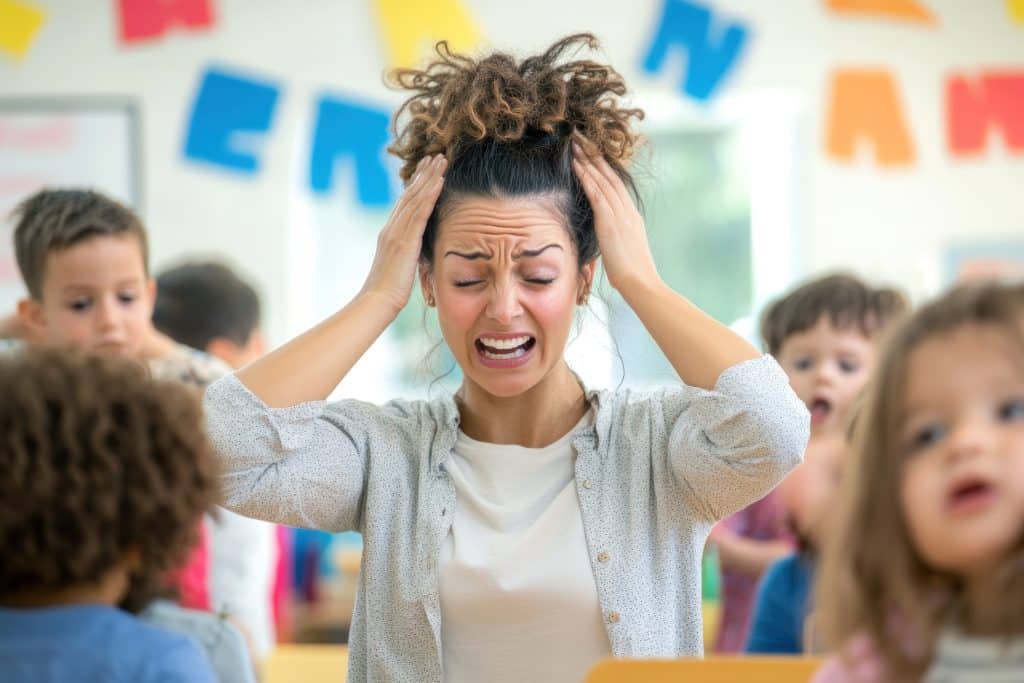

Are you noticing a shift in the energy of our schools? The modern Classroom behavior crisis is more than just a series of disruptions; it is a silent alarm signaling that our educators and students are reaching a breaking point.
When the bell rings, the pressure doesn’t just stay in the hallways—it permeates every lesson and interaction. Addressing this turmoil requires a deep look into the psychological and systemic roots of why our learning spaces feel so strained.
By understanding the connection between educator burnout and student engagement, we can begin to rebuild a foundation of mutual respect and academic success.
Understanding the origins of classroom behavior issues
Understanding the origins of classroom behavior issues is vital for educators today. These issues do not arise overnight; they often stem from a combination of factors that can affect students differently.
By acknowledging the underlying causes, teachers can be better equipped to manage them effectively.
One of the primary sources of behavior problems is external stressors. Factors such as family dynamics, socioeconomic status, and personal issues can greatly impact a student’s ability to focus and behave in class.
When educators understand these influences, they can approach each situation with empathy and appropriate interventions.
Common External Influences
External factors may include:
- Family conflicts that create emotional distress.
- Financial instability leading to anxiety.
- Lack of support at home for educational endeavors.
- Peer pressure that affects behavior and choices.
Additionally, there are internal factors at play as well. Students might struggle with learning disabilities or mental health issues that complicate their interactions in the classroom environment.
Recognizing these challenges is essential for creating an inclusive and supportive atmosphere.
Some internal influences to consider are:
- Attention Deficit Hyperactivity Disorder (ADHD).
- Anxiety and depression affecting engagement.
- Learning disabilities that hinder academic success.
Ultimately, understanding the roots of classroom behavior issues requires a holistic view. Teachers must take the time to observe, reflect, and engage with their students individually.
By doing so, they foster an environment where students feel valued and understood, leading to more positive behavior in class.
Impact of teacher stress on student performance
The impact of teacher stress on student performance is a significant concern in today’s educational landscape.
When teachers experience high levels of stress, it can directly affect their teaching style and the overall classroom environment. Students often respond to these changes, making it important to understand the connection.
One major way that stress influences teaching is through a teacher’s emotional availability. Stressed teachers may find it difficult to connect with their students on a personal level, which can create a gap in understanding and engagement.
When students feel disconnected, their motivation and performance tend to decline.
Ways Teacher Stress Affects Students
Teacher stress can manifest in various ways that ultimately affect students:
- Decreased enthusiasm and energy in lessons.
- Increased likelihood of classroom management issues.
- Reduced emotional support for students, leading to feelings of neglect.
- More frequent inconsistencies in teaching styles and expectations.
This link between teacher stress and student performance is multifaceted. For instance, when teachers are overtired or overwhelmed, their ability to deliver effective lessons decreases.
Students may then struggle to grasp essential concepts, leading to lower grades and a negative outlook on their education.
Moreover, classroom climate plays a crucial role as well. A teacher’s level of stress can create a tense atmosphere that disrupts learning. When students sense that a teacher is stressed, they may feel anxious themselves, hindering their ability to focus.
This cycle contributes to an overall decline in classroom morale and academic success.
Effective strategies for managing classroom behavior

Effective strategies for managing classroom behavior are essential for creating a positive learning environment. Teachers can implement various approaches to encourage good behavior while also addressing issues as they arise.
Understanding these strategies can help both educators and students thrive.
One key strategy is establishing clear rules and expectations from the start. When students know what is expected of them, they are more likely to follow those guidelines.
Teachers can involve students in the rule-setting process to foster ownership and accountability.
Creating a Positive Classroom Environment
A supportive classroom atmosphere is crucial. Positive reinforcement can be very effective in promoting desired behaviors. Recognizing and rewarding good behavior encourages students to continue those actions.
Some effective methods include:
- Verbal praise for following rules.
- Small rewards for consistent good behavior.
- Classroom privileges for meeting behavior goals.
Regular communication can also help manage behavior. Engaging with students about their concerns makes them feel valued. This approach often leads to improved behavior as students believe their voices are heard.
Additionally, fostering peer support can create a sense of community where students hold each other accountable.
Addressing Issues Calmly and Consistently
When behavior issues do arise, it’s essential to address them calmly and consistently. Teachers should avoid reacting impulsively. Instead, it’s beneficial to have a set of consequences for inappropriate behaviors.
Some effective actions include:
- Discussing the behavior privately with the student.
- Implementing logical consequences that relate to the behavior.
- Allowing students to reflect on their actions and how they affect others.
Incorporating social-emotional learning is another powerful strategy. This approach teaches students how to manage their emotions, set goals, and resolve conflicts.
By giving students these skills, they become better equipped to handle challenges in the classroom.
The role of administration in supporting teachers
The role of administration in supporting teachers is crucial for a successful educational environment. When teachers feel supported by their administration, they are more likely to perform better in the classroom.
Effective support can lead to a more positive atmosphere for both teachers and students.
One way administration can help is by providing resources that teachers need. This includes access to teaching materials, professional development opportunities, and essential technology.
When schools invest in these resources, it empowers teachers to innovate and improve their teaching practices.
Professional Development
Ongoing professional development is vital for educators. Administrators can create structured programs that help teachers enhance their skills. Effective professional development can include:
- Workshops focused on classroom management techniques.
- Collaborative sessions where teachers share best practices.
- Access to online courses for new teaching strategies.
In addition, strong communication between administration and teachers fosters a supportive culture. Regular meetings and feedback sessions can help identify challenges teachers face and ways the administration can assist.
This collaborative approach not only boosts teacher morale but also improves student outcomes.
Creating a Positive Work Environment
Administration plays a significant role in shaping the school’s culture. A positive work environment makes teachers feel valued and respected. Some effective ways to create this atmosphere include:
- Recognizing and celebrating teacher achievements.
- Encouraging open communication and input from teachers.
- Providing mental health resources and support systems.
By prioritizing teacher well-being, schools can reduce stress and burnout, which ultimately leads to a better classroom experience for students.
A supportive administration is key to empowering teachers to excel in their roles and positively impact their students.
Long-term solutions for a healthier classroom environment

Long-term solutions for a healthier classroom environment are essential for fostering student success. Creating a positive atmosphere that is conducive to learning requires thoughtful planning and sustained efforts.
By focusing on several key areas, schools can build supportive environments that benefit both students and teachers.
One major aspect is promoting emotional well-being. This involves teaching students about emotional intelligence and helping them recognize and manage their feelings.
Implementing daily check-ins can encourage students to express their emotions and feel supported by their peers and teachers.
Building Strong Relationships
Fostering strong relationships in the classroom is vital for a healthy environment. Students who feel connected to their teachers and classmates are more likely to engage in learning. Some effective strategies include:
- Encouraging teamwork through group projects.
- Creating opportunities for students to share their experiences.
- Establishing mentorship programs where older students support younger ones.
In addition to emotional well-being, maintaining a physically healthy environment is crucial. This includes ensuring classrooms are clean, well-organized, and equipped with proper resources.
Regular maintenance of the facilities contributes to a positive learning space. Schools can also promote healthy habits by providing nutritious food options and encouraging physical activity.
Ongoing Training for Educators
Providing ongoing training for educators is another effective long-term solution. This helps teachers develop their skills in classroom management and support student needs more effectively. Professional development workshops can cover various topics, such as:
- Addressing diverse learning styles and needs.
- Implementing restorative practices to resolve conflicts.
- Incorporating mindfulness techniques into lessons.
Finally, collecting feedback from students about the classroom environment can help identify areas for improvement.
By actively involving students in discussions about what works and what doesn’t, teachers can make informed adjustments that lead to a healthier classroom.
Conclusion
The Classroom behavior crisis of 2025 is a call to action for more empathy, better resources, and a renewed focus on the well-being of our educators.
By implementing proactive strategies—such as building strong teacher-student connections and providing robust administrative support—we can turn the tide.
As noted by recent studies on strategies to confront student behavior crises, the most effective approach is one that prioritizes relational wealth over simple compliance.
When students feel seen and teachers feel supported, the classroom transforms from a place of conflict into a sanctuary for learning.
Would you like me to help you draft a specific Social-Emotional Learning (SEL) plan tailored for your grade level?
FAQ – Frequently Asked Questions about Healthier Classroom Environments
What are the key factors for a healthier classroom environment?
Key factors include promoting emotional well-being, fostering strong relationships, maintaining a clean and organized space, providing ongoing training for teachers, and encouraging student feedback.
How can emotional well-being be supported in the classroom?
Emotional well-being can be supported by teaching students about emotional intelligence, conducting regular check-ins, and creating an environment where students feel safe expressing their feelings.
Why are strong relationships important in a classroom?
Strong relationships help students feel connected, which increases their engagement and motivation to learn. It also promotes a sense of community and support among peers.
What role does ongoing training for teachers play in a healthy classroom?
Ongoing training keeps teachers informed about new strategies and techniques, helping them to better manage classrooms and address diverse student needs effectively.
How can student feedback improve the classroom environment?
Student feedback allows teachers to understand what works well and what doesn’t, enabling them to make adjustments that enhance the learning experience.
Liked the article?