
2026 WIC Benefit Modernization: New Food Additions Impact

The latest developments on WIC Benefit Modernization 2026 show major updates to food packages designed to improve nutrition for women, infants, and children across the United States. USDA confirmed expanded fruit and vegetable options, higher cash-value benefits, added flexibility for whole grains, canned fish, lactose-free milk, and healthier infant cereal alternatives.
Recent updates also allow families in many states to purchase frozen, canned, and dried fruits and vegetables alongside fresh produce, helping households access healthier foods year-round. Officials say the modernization effort focuses on better nutrition science, stronger dietary balance, and more culturally flexible food choices for participating families.
Families should now monitor state-level rollout timelines, updated WIC-approved shopping lists, and possible Congressional funding debates that could affect future benefit levels in 2026. Experts also recommend checking local WIC apps and agency updates regularly, as several states continue adding new eligible food items and revised benefit options throughout the year.
Understanding the 2026 WIC Benefit Modernization
The Special Supplemental Nutrition Program for Women, Infants, and Children (WIC) is undergoing a significant overhaul, with changes scheduled to take full effect by 2026. These modernizations aim to align WIC food packages more closely with the latest dietary guidelines and enhance the nutritional intake of participants.
The primary goal of the WIC Benefit Modernization 2026 is to improve health outcomes for pregnant, postpartum, and breastfeeding individuals, as well as infants and young children.
This involves expanding the variety and quantity of healthy foods available through the program, addressing critical nutrient gaps identified in previous iterations.
These updates represent the most substantial revisions to WIC food packages in over a decade, reflecting current scientific understanding of nutrition and public health needs. The changes seek to provide more flexibility and culturally appropriate options for WIC participants across the nation.
Key Changes to WIC Food Packages for 2026
The impending changes to WIC food packages include several notable additions and adjustments designed to promote healthier eating patterns.
These modifications are based on recommendations from the National Academies of Sciences, Engineering, and Medicine.
Beneficiaries can expect to see an increased emphasis on fruits and vegetables, with higher cash value vouchers (CVVs) to facilitate their purchase. This move is intended to ensure families have greater access to nutrient-dense produce, a cornerstone of a healthy diet.
Expanded Fruit and Vegetable Allowances
The WIC Benefit Modernization 2026 significantly boosts the cash value of fruit and vegetable vouchers, providing more purchasing power for these essential items. This increase is critical for ensuring families can afford fresh, frozen, or canned options.
The expanded allowances are a direct response to research indicating that many WIC participants struggled to meet recommended fruit and vegetable intake levels. This adjustment aims to remove financial barriers and encourage greater consumption.
- Increased monthly CVV for children and pregnant/postpartum women.
- Greater flexibility in selecting various types of fruits and vegetables.
- Inclusion of culturally relevant produce options where available.
New Whole Grain and Protein Options
Alongside fruits and vegetables, the WIC Benefit Modernization 2026 will introduce a broader array of whole grain and protein choices. This expansion reflects dietary guidelines that advocate for diverse sources of these important nutrients.
Participants will find more options for whole-wheat bread, brown rice, and other whole-grain products, moving beyond traditional white bread allowances. Protein sources will also become more varied, including plant-based alternatives.
- Additional whole-grain products such as quinoa, oats, and whole-wheat pasta.
- Inclusion of canned fish, legumes, and certain plant-based meat alternatives.
- Emphasis on low-fat dairy and dairy alternatives for those with dietary restrictions.
Practical Solutions for Families Navigating New WIC Benefits
As the WIC Benefit Modernization 2026 approaches, families need practical strategies to maximize their new benefits. Understanding the updated food list and planning purchases effectively will be crucial for utilizing the program to its fullest potential.
State WIC agencies are developing resources and conducting outreach to inform participants about the changes and provide guidance on healthy food choices. These efforts are designed to ensure a smooth transition for all beneficiaries.
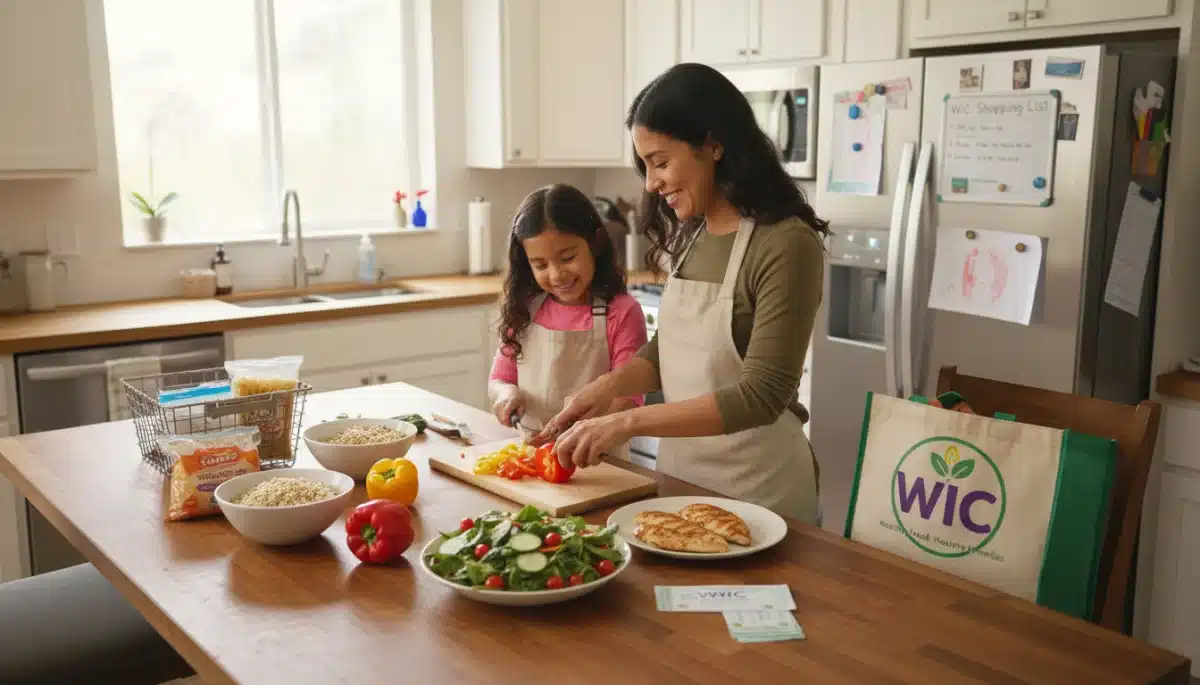
Families are encouraged to attend local WIC clinics or workshops to learn more about the specific food items now available and how to incorporate them into their daily meals. Utilizing these educational opportunities can significantly enhance nutritional outcomes.
Maximizing Your Fruit and Vegetable Vouchers
With the increased cash value vouchers for fruits and vegetables, families have a greater opportunity to diversify their diets. Planning meals and shopping lists around these allowances can lead to healthier eating habits.
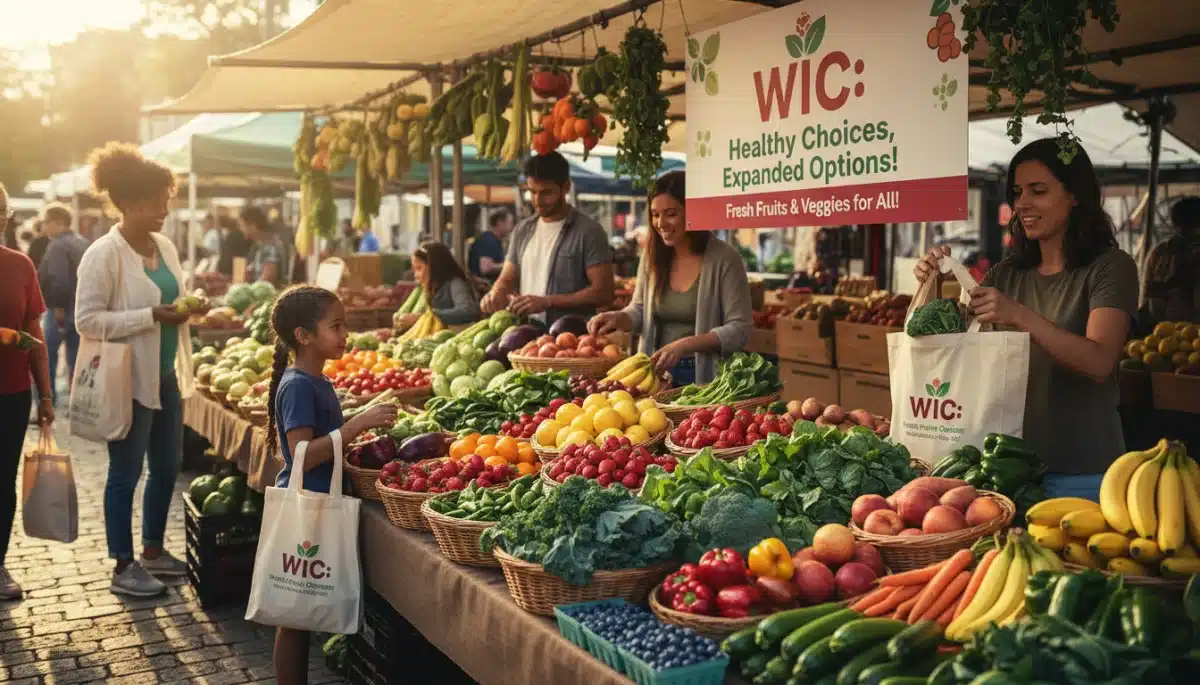
Consider visiting local farmers’ markets, which often accept WIC benefits and provide access to fresh, seasonal produce. Frozen and canned options without added sugars or sodium also offer convenient and nutritious choices when fresh produce is less accessible.
- Create a weekly meal plan that incorporates a wide variety of fruits and vegetables.
- Look for seasonal produce to get the best value and freshness.
- Explore different preparation methods to make healthy eating enjoyable for the whole family.
Integrating New Whole Grains and Proteins
The expanded whole grain and protein options offer excellent opportunities to enhance dietary fiber and essential amino acid intake. Experimenting with new ingredients can make meal times more exciting and nutritious.
Swapping refined grains for whole grains like brown rice or whole-wheat pasta is a simple yet impactful change. Incorporating plant-based proteins, such as lentils or beans, can also provide cost-effective and healthy alternatives.
- Substitute whole grains in familiar recipes, like using whole-wheat flour for baking.
- Explore recipes featuring new protein sources, such as lentil soup or bean burgers.
- Check WIC-approved lists for specific brands and types of whole grains and proteins.
Impact on Family Nutrition and Health Outcomes
The WIC Benefit Modernization 2026 is projected to have a substantial positive impact on the nutritional status and overall health of participating families. By increasing access to a wider range of healthy foods, the program aims to address prevalent dietary deficiencies.
Improved nutrition during critical developmental stages, such as pregnancy and early childhood, can lead to long-term health benefits. This includes reduced risks of chronic diseases and enhanced cognitive development in children.
The modernization efforts are expected to contribute to a reduction in food insecurity among low-income families, providing a stable source of nutritious food. This stability is vital for creating a foundation for healthier communities.
Addressing Dietary Deficiencies
Many WIC participants face challenges in meeting the recommended intake of certain nutrients, particularly fruits, vegetables, and whole grains. The updated food packages directly target these deficiencies.
By making these foods more accessible and affordable, the WIC Benefit Modernization 2026 helps ensure that pregnant women receive adequate nutrients for healthy fetal development, and children get the necessary building blocks for growth.
- Increased intake of vitamins, minerals, and fiber from expanded fruit and vegetable options.
- Improved satiety and blood sugar control through greater access to whole grains.
- Enhanced protein intake for muscle development and overall bodily functions.
Long-Term Health Benefits for Children
The nutritional support provided by WIC, especially during the first few years of life, has profound long-term implications for children’s health. The WIC Benefit Modernization 2026 strengthens this foundation.
Adequate nutrition in early childhood is linked to better academic performance, reduced rates of obesity, and a lower incidence of chronic health conditions later in life. These benefits extend beyond individual health to societal well-being.
- Reduced risk of childhood obesity and related health issues.
- Improved cognitive development and school readiness.
- Stronger immune systems and better overall physical health.
Challenges and Implementation of the Modernization
While the WIC Benefit Modernization 2026 offers significant promise, its implementation comes with several challenges that need careful navigation. These include ensuring vendor readiness, participant education, and adequate funding.
State WIC agencies and authorized vendors must adapt their systems and inventory to accommodate the new food items and increased voucher values. This requires substantial coordination and resource allocation to prevent disruptions in service.
Effective communication strategies are essential to inform all WIC participants about the changes, address any concerns, and provide clear instructions on how to utilize their modernized benefits. Language and cultural barriers must also be considered in outreach efforts.
Ensuring Vendor Compliance and Readiness
The success of the WIC Benefit Modernization 2026 hinges on the ability of authorized WIC vendors to stock and sell the newly eligible food items. This involves updating inventory management systems and training staff.
Retailers, from large supermarkets to small corner stores, will need clear guidance and support from state WIC programs to ensure a seamless transition. This includes understanding new product codes and reimbursement procedures.
- Timely dissemination of updated WIC-approved food lists to all vendors.
- Training programs for store personnel on new WIC transaction protocols.
- Monitoring and technical assistance to help vendors comply with new requirements.
Participant Education and Outreach
For the WIC Benefit Modernization 2026 to be truly effective, participants must be well-informed and empowered to make healthy choices. Comprehensive education and outreach campaigns are critical.
WIC clinics play a vital role in providing individualized nutrition counseling and support. Utilizing various communication channels, including digital platforms and community events, can help reach a broader audience.
- Development of user-friendly materials explaining the new food packages.
- Multilingual resources to serve diverse participant populations.
- Ongoing support and personalized guidance from WIC nutritionists and staff.
Future Outlook and Continued Evolution of WIC
The WIC Benefit Modernization 2026 is not a static endpoint but rather a significant step in the ongoing evolution of the WIC program. Future adjustments and improvements are anticipated as new research emerges and participant needs change.
The USDA and partner organizations will continue to monitor the impact of these changes on participant health outcomes and program efficiency. Data collection and evaluation will be crucial for informing subsequent policy decisions.
Advocacy for sustained funding and policy reforms will remain important to ensure WIC continues to meet its mission of safeguarding the health of low-income women, infants, and children. The program’s adaptability is key to its long-term success.
Potential for Further Enhancements
The framework established by the WIC Benefit Modernization 2026 allows for future refinements based on real-world experience and scientific advancements. This iterative approach ensures the program remains relevant and impactful.
Consideration may be given to further diversifying food options, particularly for individuals with specific dietary needs or cultural preferences. The program’s design supports flexibility for continuous improvement.
- Regular review of dietary guidelines and their application to WIC food packages.
- Piloting new food items or benefit structures in select regions.
- Incorporating participant feedback into future program updates.
Advocacy for WIC’s Long-Term Strength
Maintaining the strength and effectiveness of WIC requires ongoing advocacy and public support. The WIC Benefit Modernization 2026 highlights the program’s commitment to adapting and improving.
Ensuring adequate congressional appropriations and community engagement will be vital for sustaining the program’s reach and impact. WIC’s role in public health is a national priority.
- Highlighting WIC’s positive impact on maternal and child health outcomes.
- Engaging policymakers and stakeholders in discussions about WIC’s future.
- Promoting community awareness and participation in WIC programs.
| Key Aspect | Description |
|---|---|
| Increased CVVs | Higher cash value vouchers for fruits and vegetables, boosting purchasing power. |
| Expanded Food Options | Broader range of whole grains, proteins, and dairy alternatives. |
| Enhanced Nutrition | Aims to improve dietary intake and long-term health outcomes for families. |
| Implementation Challenges | Requires vendor readiness, participant education, and sustained funding. |
Frequently Asked Questions About WIC Benefit Modernization 2026
The WIC Benefit Modernization 2026 refers to significant updates to the food packages provided by the WIC program, aligning them with current dietary guidelines. These changes aim to enhance the nutritional quality and variety of foods for eligible participants, focusing on fruits, vegetables, whole grains, and diverse proteins.
The full implementation of the WIC Benefit Modernization 2026, including all new food item additions, is scheduled to take effect by the year 2026. Some states may begin rolling out aspects of the modernization earlier, so beneficiaries should check with their local WIC agency for specific timelines.
The modernization aims to positively impact family budgets by increasing the cash value vouchers for fruits and vegetables, providing more financial assistance for these essential foods. This can help reduce out-of-pocket expenses for healthy groceries and stretch family food budgets further, enhancing overall food security.
Detailed lists of the new WIC-approved foods will be made available through your state’s WIC agency. These lists typically include specific brands and types of products that are eligible under the modernized program. Local WIC clinics are also excellent resources for updated information and guidance on food selections.
To prepare, stay informed by regularly checking for updates from your local WIC agency and attending any informational sessions they offer. Familiarize yourself with the new food categories and consider experimenting with new healthy recipes to utilize the expanded options effectively. Planning your grocery trips around the new benefits will be beneficial.
Looking Ahead
The WIC Benefit Modernization 2026 represents a pivotal moment for public health and nutrition support in the United States.
Its successful implementation hinges on continued collaboration between federal and state agencies, vendors, and WIC participants.
Monitoring the initial impacts and adapting strategies will be crucial for maximizing the program’s potential to foster healthier families and communities for generations to come, ensuring the benefits are realized broadly.