
State-Specific SNAP Benefits in 2026: Discover if You Qualify for an Additional $100 Monthly

As we enter 2026, the landscape of State-Specific SNAP Benefits is undergoing a major shift, with local legislatures introducing new measures to combat rising food costs. Many households are now discovering they may be eligible for a significant boost in their monthly assistance.
These programmatic adjustments mean that qualifying families could see their nutrition assistance grow by up to $100. Our guide breaks down these regional updates, helping you navigate the latest eligibility criteria to ensure you don’t leave vital money on the table.
Staying informed is essential as states gain more control over how food stamps are allocated and increased. We provide the objective analysis you need to understand these expanded allotments and secure the maximum financial relief your household deserves.
Understanding the Landscape of State-Specific SNAP Benefits in 2026
The federal Supplemental Nutrition Assistance Program (SNAP) provides a foundational level of food assistance, but states often implement their own supplementary programs.
These state-specific initiatives are crucial for tailoring support to local needs and economic conditions, often resulting in additional benefits.
In 2026, many states are expected to continue or expand these supplementary programs, potentially offering an additional $100 monthly to eligible households.
These enhancements are typically designed to address specific challenges, such as high cost of living or persistent food deserts within their jurisdictions.
Navigating the complexities of these state-level variations requires detailed information, as eligibility criteria and application processes can differ significantly from one state to another.
Our focus is on providing clarity regarding these distinct programs and how they integrate with federal SNAP guidelines.
Key Drivers Behind Enhanced State-Specific SNAP Benefits
Several factors are influencing states to consider or enact increased SNAP benefits, particularly the potential for an additional $100 monthly.
Economic data, including inflation rates and unemployment figures, often play a significant role in these decisions, as states aim to mitigate financial hardship.
Advocacy from food security organizations and public health initiatives also contributes to the push for enhanced benefits.
These groups highlight the direct correlation between adequate nutrition and improved health outcomes, urging lawmakers to provide more robust support through State-Specific SNAP Benefits in 2026.
Furthermore, federal incentives or matching fund opportunities can encourage states to invest more in their food assistance programs. These collaborative efforts ensure that federal and state resources are maximized to serve the most vulnerable populations effectively.
What Constitutes an Additional $100 Monthly Benefit?
The concept of an additional $100 monthly benefit typically refers to funds provided by a state over and above the standard federal SNAP allocation.
These extra funds are not universally available but depend entirely on individual state policies and appropriations for State-Specific SNAP Benefits in 2026.
Some states might offer this as a flat-rate supplement to all eligible SNAP households, while others may target specific demographics, such as families with young children or seniors.
The specific structure and distribution method will vary, making it imperative for beneficiaries to consult their state’s guidelines.
This increase aims to bridge the gap between basic food needs and the rising cost of groceries, offering a more realistic level of support for families struggling to make ends meet. It represents a significant boost for those who qualify, directly improving their purchasing power for essential food items.
Eligibility Criteria: Who Qualifies for Enhanced Benefits?
Qualifying for State-Specific SNAP Benefits in 2026, especially for an additional $100 monthly, involves meeting both federal and state-specific eligibility requirements.
These criteria typically revolve around income, household size, and residency, though states may introduce additional stipulations.
Federal guidelines establish baseline income limits, usually a percentage of the federal poverty level, which all SNAP applicants must meet. However, states have the flexibility to set higher income thresholds or implement broader categorical eligibility for certain groups, expanding access to more residents.
Beyond income, asset limits, work requirements, and immigration status can also influence eligibility.
Prospective beneficiaries must carefully review their state’s Department of Social Services or equivalent agency websites for the most accurate and up-to-date information on State-Specific SNAP Benefits.
Income and Asset Thresholds for State-Specific SNAP Benefits
Income thresholds for State-Specific SNAP Benefits are a primary determinant of eligibility.
While federal rules generally cap gross monthly income at 130% of the federal poverty level, many states use net income calculations or have higher gross income limits for certain households, such as those with elderly or disabled members.
Asset limits also play a role, although most states have eliminated or significantly raised these limits for SNAP eligibility. This means that having a certain amount in savings or owning a vehicle typically does not disqualify an applicant, especially if those assets are essential for work or daily living.
It is crucial to understand that these thresholds can be adjusted annually and may vary based on household size. A larger household will naturally have a higher income and asset limit to qualify for State-Specific SNAP Benefits in 2026, reflecting greater needs.
Residency and Household Composition Requirements
To receive State-Specific SNAP Benefits in 2026, applicants must generally reside in the state where they are applying.
There are specific rules for individuals who are temporarily residing in a state or those who are unhoused, ensuring that assistance is available to those in need regardless of their housing situation.
Household composition is another critical factor, as SNAP benefits are determined based on the number of people living and eating together. This includes spouses, children under 22, and other dependents, all of whom contribute to the overall household size for benefit calculations.
States have specific definitions of what constitutes a household, sometimes allowing for exceptions.
For example, some college students or individuals living with roommates might be considered separate households if they purchase and prepare food independently, impacting their eligibility for State-Specific SNAP Benefits.
Application Process and Documentation for 2026
Applying for State-Specific SNAP Benefits in 2026, and potentially for the additional $100 monthly, typically involves submitting an application to your state’s social services agency. This can often be done online, by mail, or in person, offering flexibility to applicants.
The application process requires various documents to verify identity, residency, income, and household composition. Having these documents prepared in advance can significantly expedite the application review, ensuring a smoother experience for those seeking food assistance.
It is highly recommended to contact your local SNAP office or visit their official website to obtain the most accurate list of required documents and instructions specific to your state.
Required Documents for a Seamless Application
When applying for State-Specific SNAP Benefits in 2026, you will need to provide documentation that verifies key aspects of your eligibility. This usually includes proof of identity, such as a driver’s license or state ID, and proof of residency, like a utility bill or rental agreement.
Income verification is paramount, requiring recent pay stubs, tax returns, or benefit letters if you receive other forms of assistance. For households with children, birth certificates or school records might be necessary to confirm household composition and dependency status.
Other documents might include medical expense receipts for elderly or disabled household members, or child support payment records. Organizing these documents beforehand will make the application process much more efficient and reduce the chances of needing to submit additional information later.
Navigating Online and In-Person Application Options
Most states now offer online portals for applying for State-Specific SNAP Benefits, providing a convenient and accessible option for many.
These online systems often allow applicants to upload documents directly and track the status of their application, streamlining the entire process.
For those who prefer or require in-person assistance, local social services offices remain available. These offices can provide guidance, help complete applications, and offer resources for individuals facing barriers to applying, such as language difficulties or lack of internet access.
Regardless of the method chosen, it is advisable to keep copies of all submitted documents and application forms. This ensures you have a record of your submission and can refer back to it if any questions arise during the review period.
State-by-State Variations: Additional $100 Monthly Breakdown
The availability of an additional $100 monthly through benefits is not uniform across the United States. Each state has the autonomy to design and fund its own supplementary programs, leading to a patchwork of benefits and eligibility criteria.
Some states may offer these enhanced benefits as part of ongoing COVID-19 relief extensions, while others might integrate them into long-term initiatives aimed at poverty reduction. Therefore, it is critical for residents to research the specific programs offered by their state.
Examples of state-specific programs could include increased minimum benefits, higher income deductions for certain expenses, or direct cash assistance that complements federal SNAP. These variations highlight the importance of localized information for understanding State-Specific SNAP Benefits.
States Leading the Way in Enhanced SNAP Provisions
Several states have historically been proactive in providing enhanced food assistance beyond federal SNAP guidelines, and they are likely candidates to offer an additional $100 monthly in State-Specific SNAP Benefits.
These states often have robust social safety nets and a strong commitment to addressing food insecurity.
For instance, states with higher costs of living or significant urban populations may be more inclined to offer supplementary benefits to help residents cope with increased expenses.
These initiatives often serve as models for other states considering similar programs.
Keeping an eye on legislative proposals and budget allocations in states known for their progressive social programs can provide early indications of where these additional benefits might be implemented. This proactive monitoring is key for potential beneficiaries.
How to Check Specific State Programs for 2026
To determine if your state offers an additional $100 monthly or other enhanced State-Specific SNAP Benefits in 2026, the first step is to visit your state’s Department of Social Services or Human Services website. These official portals are the most reliable sources for up-to-date information.
Look for sections specifically detailing SNAP benefits, food assistance programs, or supplemental state programs. Many states also publish annual reports or fact sheets that outline changes and additions to their benefit offerings.
Additionally, local food banks, community organizations, and non-profits often have resources and staff who can guide you to relevant information or even assist with the application process.
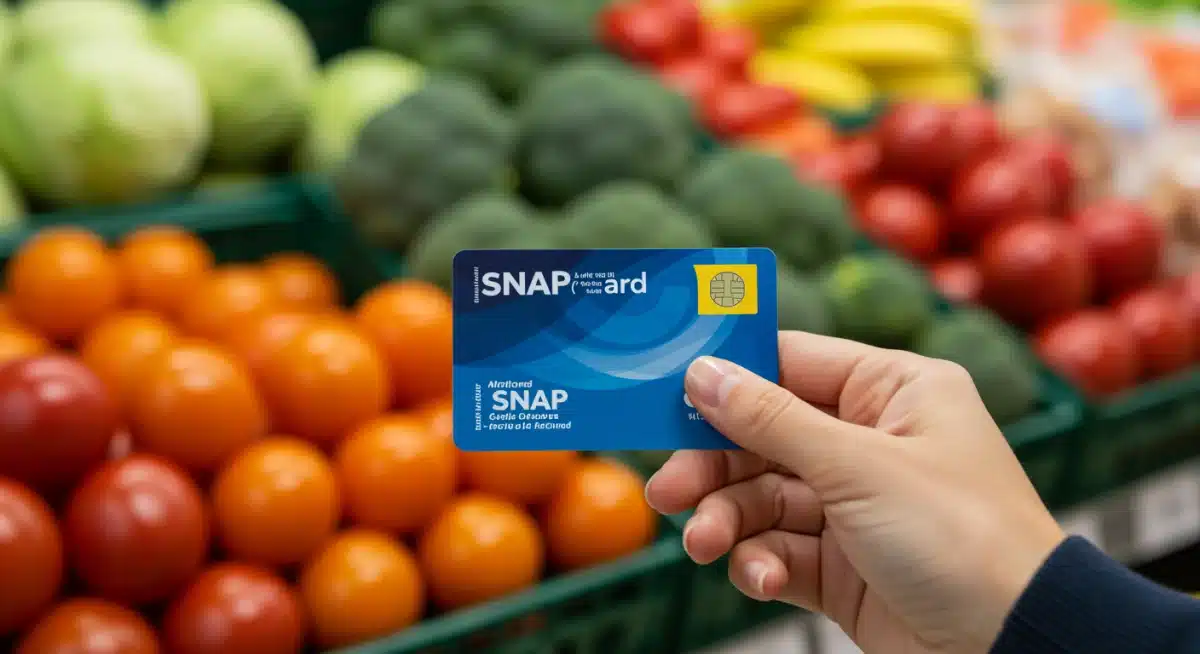
Impact of an Additional $100 Monthly on Households
An additional $100 monthly through State-Specific SNAP Benefits in 2026 can have a profound impact on the financial stability and food security of qualifying households. This seemingly modest increase can translate into significant improvements in dietary quality and overall well-being.
For many low-income families, an extra $100 means the difference between purchasing essential nutritious foods and having to compromise on unhealthy, cheaper alternatives. It can alleviate the difficult choices between food and other necessities like rent or utilities, reducing household stress.
Beyond immediate food purchases, this additional support contributes to a more stable household budget, allowing families to allocate funds to other critical areas.
Boosting Food Security and Nutritional Access
The primary benefit of an additional $100 monthly in State-Specific SNAP Benefits in 2026 is the direct enhancement of food security. Households gain increased purchasing power for groceries, enabling them to buy more fresh produce, lean proteins, and other essential items often out of reach.
Improved access to nutritious food directly correlates with better health outcomes, particularly for children and the elderly.
Reduced instances of diet-related illnesses and improved cognitive function are among the long-term advantages of consistent access to healthy meals.
This increase also helps combat food deserts, allowing individuals in underserved areas to travel further or utilize alternative purchasing options, such as farmers’ markets that accept SNAP, ensuring a wider variety of healthy choices are accessible.
Economic Ripple Effects of Increased SNAP Spending
The economic impact of an additional $100 monthly in State-Specific SNAP Benefits in 2026 extends beyond individual households. Increased SNAP spending injects money directly into local economies, supporting grocery stores, farmers, and related businesses within the community.
Studies consistently show that every dollar invested in SNAP generates a significant multiplier effect on economic activity, stimulating sales and creating jobs. This makes enhanced State-Specific SNAP Benefits not just a social safety net, but also an economic stimulus, particularly in rural and low-income areas.
Local farmers’ markets, in particular, benefit from increased SNAP usage, fostering a more sustainable local food system. This economic ripple effect underscores the broader value of robust State-Specific SNAP Benefits in 2026 for community prosperity.
Future Outlook and Advocacy for SNAP Enhancements
As 2026 approaches, the future of State-Specific SNAP Benefits and the potential for an additional $100 monthly remains a dynamic area of policy and advocacy.
Continuous monitoring of legislative sessions and budget discussions at both federal and state levels is essential for understanding upcoming changes.
Advocacy groups are actively working to ensure that enhanced benefits, like the potential $100 monthly increase, become permanent fixtures rather than temporary measures.
Their efforts focus on highlighting the ongoing need for robust food assistance and the positive impacts of State-Specific SNAP Benefits in 2026 on communities.
Individuals and organizations can play a vital role in shaping these outcomes by contacting their elected officials, participating in public forums, and supporting initiatives that promote food security.
Legislative Trends and Potential Policy Changes
Legislative trends suggest a continued focus on addressing food insecurity, though the exact nature of State-Specific SNAP Benefits in 2026 will depend on political climates and economic conditions.
Some states may explore innovative approaches to benefit distribution or eligibility, while others might streamline existing programs.
Discussions around indexing SNAP benefits to inflation or cost of living in specific regions are gaining traction, which could lead to more stable and adequate support over time. These policy changes aim to ensure that the value of Benefits keeps pace with economic realities.
Furthermore, there is an ongoing debate about the balance between federal and state responsibilities in funding and administering SNAP. Outcomes of these discussions will directly influence the scope and generosity of State-Specific SNAP Benefits in 2026 and beyond.
How to Advocate for Continued and Enhanced Benefits
Advocating for continued and enhanced State-Specific SNAP Benefits in 2026 involves several key strategies. Contacting your state and federal representatives to share personal stories or data on food insecurity can be highly impactful, demonstrating the real-world need for these programs.
Supporting local and national food advocacy organizations through donations or volunteer work also strengthens the collective voice pushing for policy changes. These organizations often conduct research and lobby lawmakers directly.
Participating in community meetings, town halls, and public hearings provides another avenue to voice concerns and support for food assistance programs. Engaging actively ensures that the importance of SNAP Benefits in 2026 remains a priority for policymakers.
| Key Point | Brief Description |
|---|---|
| Potential for Extra $100 | Many states are exploring or implementing an additional $100 monthly benefit for eligible SNAP households in 2026. |
| State-Specific Eligibility | Qualification varies by state, requiring adherence to both federal and unique state-level income, asset, and residency rules. |
| Application Process | Applicants should gather necessary documents and apply through their state’s social services agency, either online or in person. |
| Impact on Households | An additional $100 significantly boosts food security, improves nutrition, and provides critical economic relief to low-income families. |
Frequently Asked Questions About State-Specific SNAP Benefits in 2026
State-Specific SNAP Benefits refer to additional food assistance programs implemented by individual states, often supplementing federal SNAP. In 2026, some states are projected to offer extra funds, potentially an additional $100 monthly, to eligible households to combat food insecurity and rising costs.
To check for an additional $100 monthly benefit, visit your state’s Department of Social Services or Human Services website. Look for specific announcements or program details related to SNAP enhancements for 2026. Local community organizations can also provide guidance on State-Specific SNAP Benefits in 2026.
Typically, you will need proof of identity, residency, income (pay stubs, tax returns), and household composition (birth certificates). Specific requirements for State-Specific SNAP Benefits in 2026 may vary, so it’s best to consult your state’s official guidelines before applying to ensure a smooth process.
The duration of additional State-Specific SNAP Benefits in 2026 varies by state. Some may be temporary extensions of existing relief programs, while others could be integrated into permanent state-funded initiatives. Monitoring state legislative updates and official announcements is crucial for understanding the longevity of these enhancements.
An additional $100 monthly significantly improves food security, allowing families to purchase more nutritious foods and reduce reliance on cheaper, less healthy options. It eases financial strain, contributes to better health outcomes, and stimulates local economies by increasing grocery spending through State-Specific SNAP Benefits in 2026.
Looking Ahead: Ensuring Continued Food Security
The discussions surrounding State-Specific SNAP Benefits in 2026, particularly the potential for an additional $100 monthly, underscore an ongoing national commitment to combat food insecurity.
What happens next will largely depend on state legislative actions, economic trends, and continued advocacy from communities and organizations.
It is crucial for individuals to stay informed about their state’s specific programs and eligibility criteria, as these can evolve.
Monitoring official government websites and engaging with local support networks will provide the most current information regarding State-Specific SNAP Benefits in 2026.
Ultimately, the goal is to create a more resilient and equitable food system that ensures all Americans have consistent access to nutritious food. The efforts to enhance benefits represent a vital step in achieving this broader objective.